 Click To Email
 Call us +1 315 530-1099




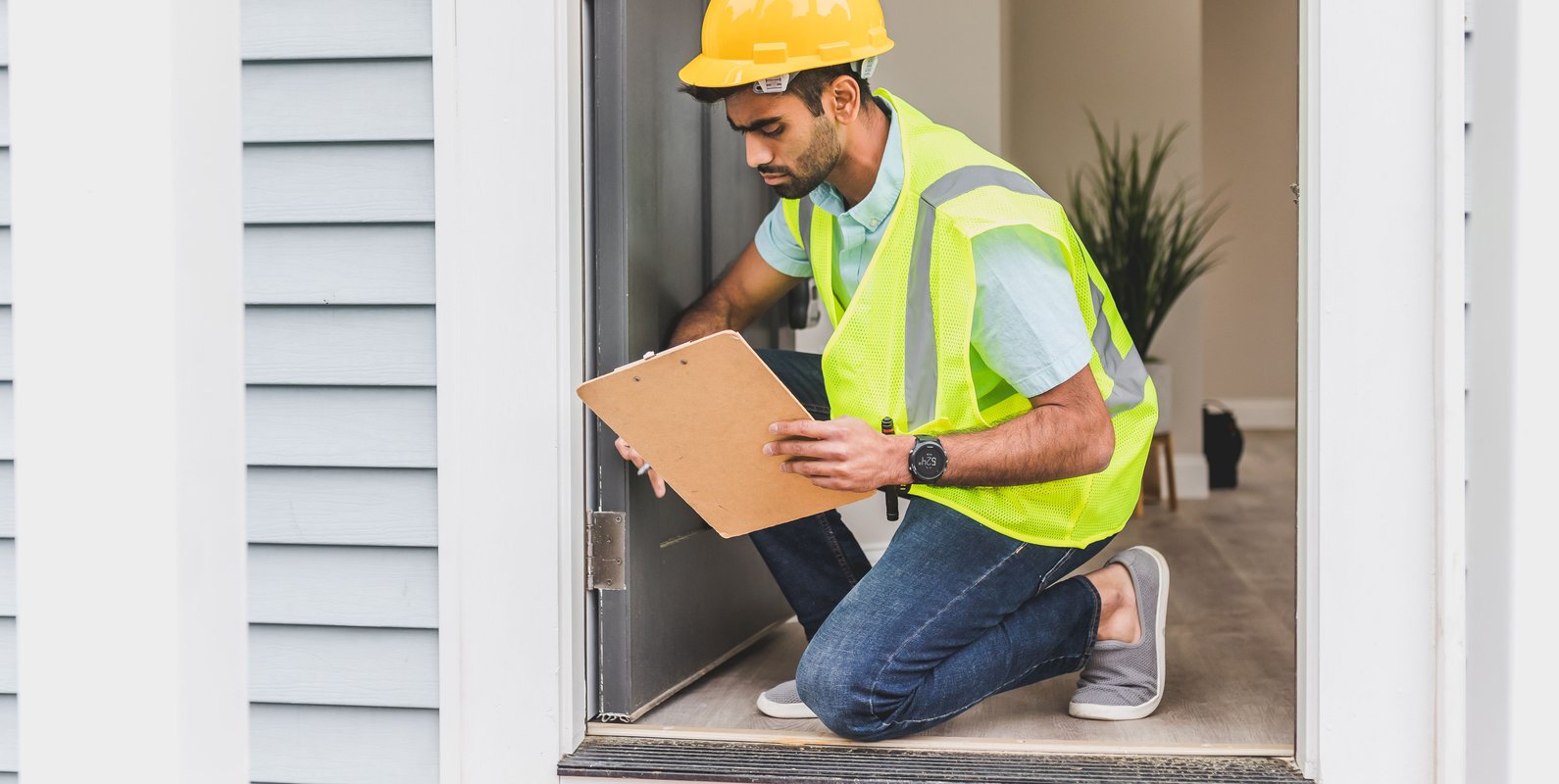
What Is a Property Condition Assessment (PCA)

Buying, selling, managing, or investing in a property involves more than evaluating its appearance or location. A building may look well-maintained on the outside while having underlying structural problems, aging building systems, or maintenance issues that could lead to significant expenses in the future.
This is where a Property Condition Assessment (PCA) becomes valuable.
A Property Condition Assessment is a systematic evaluation of a building's physical condition. It helps property owners, prospective buyers, investors, and other stakeholders understand the current state of a property, identify visible deficiencies, and anticipate potential repair or replacement costs.
Unlike a typical walkthrough, a PCA takes a more organized approach to evaluating the building and its major components. Depending on the property's size, age, intended use, and assessment scope, the evaluation may cover structural systems, roofing, exterior elements, interior conditions, mechanical and electrical systems, plumbing, and other building components.
For anyone considering a real estate transaction or planning future improvements, understanding what a Property Condition Assessment involves can help reduce uncertainty and support better financial and construction decisions.
What Is a Property Condition Assessment?
A Property Condition Assessment (PCA) is a professional evaluation of a building's physical condition, generally performed to identify existing deficiencies, deferred maintenance, physical deterioration, and anticipated capital repair or replacement needs.
The primary objective is to provide a clearer understanding of the property's condition at the time of the assessment.
A PCA typically involves reviewing available property documentation, conducting a site visit, observing accessible building components, documenting deficiencies, and preparing a report outlining the findings.
The resulting report helps answer several important questions:
- What is the current condition of the property?
- Are there visible signs of deterioration or damage?
- Which building components may require repair or replacement?
- Are there conditions that could affect the property's safety or functionality?
- What maintenance or capital improvements should be anticipated?
- Are additional professional evaluations necessary?
A Property Condition Assessment is commonly used during commercial real estate transactions, investment due diligence, property management planning, and long-term maintenance budgeting. It can also be useful for certain residential properties, particularly multifamily buildings and larger residential developments.
It is important to understand that a PCA is generally a non-invasive assessment based on accessible conditions and the agreed scope of work. It does not automatically include destructive testing, concealed-condition investigations, environmental testing, or a comprehensive structural analysis.
What Does a Property Condition Assessment Evaluate?
The specific components included in a PCA depend on the property's characteristics and the assessment requirements. However, several major building systems are commonly reviewed.
1. Structural Systems and Foundations
The structural system is one of the most important parts of a building because it supports the building's weight and transfers loads safely to the ground.
During a property condition assessment, the evaluator may observe accessible structural components, including:
- Foundation walls and footings
- Structural beams and columns
- Floor framing systems
- Roof framing
- Load-bearing walls
- Visible structural connections
- Concrete and masonry elements
The assessment may identify visible signs of foundation movement, cracking, excessive deflection, corrosion, water intrusion, or other conditions that could indicate deterioration.
For example, diagonal cracks near windows or doors, uneven floors, and doors that no longer close properly may indicate movement within a building. These observations do not automatically confirm a structural failure, but they may justify further investigation by a qualified structural engineer.
Identifying these concerns early allows property owners to better understand whether additional engineering evaluation or repairs may be necessary.
2. Roofing Systems
Roofing systems protect the building from rain, snow, wind, and other environmental conditions.
A PCA may evaluate accessible roofing areas for:
- Visible membrane deterioration
- Damaged or missing roofing materials
- Ponding water
- Flashing deficiencies
- Signs of water intrusion
- Deteriorated roof edges
- Evidence of previous repairs
Consider a commercial property with a flat roof. Even if there are no visible leaks inside the building, deteriorated roofing materials or poor drainage may indicate a developing maintenance issue.
If left unaddressed, water infiltration can affect insulation, ceilings, interior finishes, and potentially structural components.
3. Exterior Building Components
The exterior envelope helps protect the building from moisture, temperature changes, and weather-related deterioration.
Commonly evaluated components include:
- Exterior walls and cladding
- Windows and doors
- Exterior sealants
- Masonry and concrete surfaces
- Balconies and exterior stairs
- Gutters and downspouts
- Site drainage near the building
For instance, deteriorated sealants around windows may allow water to enter wall assemblies. Over time, moisture can contribute to material deterioration, mold-related concerns, and expensive repairs.
A PCA helps document these visible conditions so they can be considered when developing a maintenance or repair plan.
4. Mechanical, Electrical, and Plumbing Systems
Building systems are essential to the property's daily operation and overall functionality.
Depending on the scope, the assessment may include observations of:
Mechanical systems
- Heating and cooling equipment
- Ventilation systems
- Air distribution components
- Visible mechanical equipment conditions
Electrical systems
- Electrical panels
- Visible wiring conditions
- Lighting systems
- General electrical equipment
Plumbing systems
- Visible supply and drainage piping
- Water heaters
- Plumbing fixtures
- Signs of leakage or corrosion
A PCA generally documents observable conditions and apparent deficiencies. It should not be confused with a comprehensive operational inspection or specialized testing of every mechanical, electrical, and plumbing component.
For example, an older HVAC system may still be operating but approaching the end of its expected service life. This information can help a buyer or property owner anticipate future replacement expenses rather than treating the equipment as a completely unexpected cost.
5. Interior Conditions and Common Areas
Interior observations help identify visible deterioration, damage, and maintenance concerns.
These may include:
- Ceiling and wall damage
- Floor deterioration
- Water staining
- Damaged finishes
- Interior doors and windows
- Stairways and corridors
- Common areas and shared facilities
Water stains on a ceiling, for example, may indicate a previous or ongoing roof or plumbing leak. Even if the area has already been repainted, the underlying source of the moisture should be understood before assuming the problem has been resolved.
6. Site Improvements and Drainage
A building's surrounding site can also affect its long-term performance.
Depending on the assessment scope, the evaluator may review:
- Parking areas
- Sidewalks and walkways
- Driveways
- Retaining walls
- Site grading
- Surface drainage
- Exterior lighting
- Fencing and other site improvements
Poor drainage near a foundation is a good example of a condition that may appear minor but have broader consequences. Water accumulating near the building can contribute to foundation moisture, basement leakage, soil movement, and deterioration of adjacent materials.
Understanding these site conditions is an important part of evaluating the property as a whole.
Why Is a Property Condition Assessment Important?
A PCA provides information that can influence how a property is purchased, maintained, repaired, or improved.
Supporting Real Estate Due Diligence
For prospective buyers and investors, a PCA can help identify physical deficiencies before completing a transaction.
A property may appear financially attractive based on its purchase price and rental income. However, significant deferred maintenance, aging building systems, or structural concerns can change the property's actual financial outlook.
A PCA provides an opportunity to identify these conditions before making a final investment decision.
Identifying Deferred Maintenance
Deferred maintenance refers to repairs or maintenance activities that have been postponed.
Examples include deteriorating roofing, damaged exterior materials, aging HVAC equipment, plumbing leaks, and concrete deterioration.
Although postponing repairs may reduce immediate expenses, unresolved maintenance issues can become more extensive over time.
A PCA helps document these conditions and establish which items may require attention.
Improving Capital Planning and Budgeting
Property owners need to understand not only what requires repair today but also what may require significant investment in the coming years.
A Property Condition Assessment may include opinions of probable costs for recommended repairs and replacements, depending on the agreed scope.
This information can support capital planning by helping owners prioritize expenses and prepare for major building improvements.
Understanding Potential Structural Concerns
Not every crack, uneven floor, or water stain indicates a serious structural problem. However, these conditions should not automatically be dismissed as cosmetic.
A PCA can document visible concerns and identify situations where a more detailed structural evaluation may be appropriate.
For example, significant foundation cracking combined with wall displacement may require further investigation by a licensed Professional Engineer.
Understanding the difference between routine maintenance and conditions that require engineering attention is important when making property decisions.
Property Condition Assessment vs. Home Inspection: What Is the Difference?
Although both services evaluate building conditions, a Property Condition Assessment and a traditional home inspection generally serve different purposes.
A home inspection is commonly performed for an individual residential property transaction. It provides a general overview of the home's visible condition and major systems.
A PCA is typically used for commercial properties, multifamily buildings, and investment-related due diligence. It generally follows a more structured process for documenting building components, deficiencies, and anticipated repair or replacement needs.
The exact scope of either service can vary, so the name of the service alone does not establish what is included.
For example, a prospective buyer purchasing a single-family home may need a standard home inspection. An investor purchasing a 20-unit apartment building may benefit from a PCA that considers the condition of the building's major systems and anticipated capital expenditures.
In either situation, additional specialized evaluations may be necessary when significant structural, environmental, or building-system concerns are identified.
Real-World Example: How a PCA Can Reveal Hidden Property Concerns
Consider a prospective buyer evaluating a multifamily property that appears to be in generally good condition.
During the initial walkthrough, the building seems well-maintained. The exterior is presentable, the units are occupied, and the major systems appear to be functioning.
However, a more detailed property assessment identifies several concerns:
- Foundation cracking and signs of localized movement.
- A deteriorated structural beam in an accessible basement area.
- Evidence of previous fire damage affecting roof framing.
- Missing or deteriorated foundation components.
- Ceiling-height concerns in portions of the building.
These findings can significantly change how the buyer evaluates the property.
The foundation conditions may require further structural investigation. The damaged beam may need an engineering assessment and repair recommendations. The roof framing may require additional review to determine the extent of the fire-related damage.
Rather than relying only on the building's appearance, the buyer now has documented information to consider when evaluating repair requirements, financial exposure, and future ownership responsibilities.
This illustrates why property condition evaluations are valuable during real estate due diligence. Problems that are not immediately apparent during a walkthrough can have a meaningful impact on the property's long-term performance and investment costs.
What Happens After a Property Condition Assessment?
Receiving the report is not necessarily the end of the evaluation process. The findings should be reviewed to determine what actions, if any, are appropriate.
A practical approach includes the following steps.
1. Review the Identified Deficiencies
Start by understanding the conditions documented in the report.
Pay attention to the location, apparent severity, and potential implications of each deficiency.
2. Prioritize Repairs
Not every issue requires immediate attention.
Conditions that could affect structural stability, occupant safety, or continued water intrusion should generally receive more urgent consideration than routine cosmetic maintenance.
The appropriate priority should be determined based on the specific findings and, when necessary, further professional evaluation.
3. Obtain Additional Engineering Evaluations When Necessary
If the assessment identifies significant cracking, foundation movement, damaged framing, or other structural concerns, a more focused engineering investigation may be needed.
A structural engineer can evaluate the relevant components in greater detail, determine the potential causes of observed conditions, and develop recommendations for appropriate repairs.
4. Develop a Maintenance and Capital Improvement Plan
Use the findings to create a practical schedule for repairs, replacements, and ongoing maintenance.
For property investors, this can help incorporate anticipated expenses into ownership budgets and long-term financial planning.
5. Coordinate Repairs With Qualified Professionals
Once the required work has been identified, the next step is determining how it should be completed.
Structural repairs, significant building modifications, and other complex improvements may require engineering calculations, architectural drawings, permits, and contractor coordination.
Planning these requirements before construction begins can help reduce unnecessary delays and unexpected changes.
When Should You Hire a Property Condition Assessment Professional?
A PCA may be appropriate in several situations:
- Before purchasing a commercial property: To understand existing deficiencies and potential repair obligations.
- Before acquiring a multifamily building: To evaluate the condition of shared building systems and major components.
- During investment due diligence: To better understand the physical risks associated with a potential investment.
- When managing an older property: To identify deferred maintenance and plan future capital improvements.
- Before major renovations: To understand existing building conditions that may influence the proposed work.
- When preparing a property for sale: To document known physical deficiencies and help inform transaction discussions.
The right assessment scope depends on the property, its intended use, and the decisions the owner needs to make.
Frequently Asked Questions About Property Condition Assessments
1. What is the main purpose of a Property Condition Assessment?
The main purpose is to evaluate a building's physical condition, identify visible deficiencies, document maintenance concerns, and help property stakeholders anticipate future repair and replacement needs.
2. Is a Property Condition Assessment the same as a structural inspection?
No. A PCA generally evaluates multiple building components and systems. A structural inspection focuses more specifically on structural elements such as foundations, beams, columns, walls, floors, and roof framing.
If a PCA identifies a potentially significant structural concern, a separate engineering evaluation may be recommended.
3. How long does a Property Condition Assessment take?
The duration depends on the property's size, complexity, accessibility, number of buildings, and agreed assessment scope.
A smaller property may require less time than a large multifamily or commercial development. Report preparation and documentation also contribute to the overall timeline.
4. Does a PCA identify every hidden problem in a building?
No. A standard PCA is generally based on visual observations of accessible areas and available documentation. Concealed conditions behind walls, ceilings, floors, or other finishes may not be identified.
Additional testing or specialized investigations may be necessary when there are indications of hidden deterioration or damage.
5. Does a Property Condition Assessment include repair cost estimates?
Depending on the scope and reporting requirements, a PCA may include opinions of probable costs for identified deficiencies and anticipated capital replacements.
These figures are planning estimates, not guaranteed contractor quotations. Actual costs can vary depending on project conditions, material availability, labor, and the extent of required repairs.
6. Who typically needs a Property Condition Assessment?
Commercial property buyers, real estate investors, multifamily property owners, lenders, asset managers, and property developers commonly use PCAs to support due diligence and property management decisions.
7. Is a PCA required before purchasing a property?
A PCA is not universally required for every property transaction. However, it can be an important part of due diligence, particularly when purchasing commercial buildings, multifamily properties, or properties with complex maintenance and structural requirements.
Conclusion
A Property Condition Assessment provides a clearer picture of a building's physical condition and helps property owners and investors make more informed decisions.
From foundations and structural framing to roofing, exterior components, mechanical systems, and site improvements, a PCA helps identify visible deficiencies and potential future expenses that may otherwise go unnoticed.
More importantly, the assessment provides a starting point for determining what needs immediate attention, what can be addressed through routine maintenance, and what may require additional professional investigation.
For anyone purchasing, managing, or planning improvements to a property, understanding its physical condition is an important part of protecting the investment.
A building's true condition cannot always be determined by appearance alone. Proper evaluation, clear documentation, and appropriate engineering guidance can help property owners plan repairs responsibly and make decisions with greater confidence.
Need a Better Understanding of a Property's Structural Condition?
When a property assessment, home inspection, or real estate transaction raises questions about structural performance, further evaluation by a qualified engineering professional may be appropriate.
Learn more about NextBLDG's Structural Evaluation Services and how professional engineering assessments can help identify structural concerns and guide repair planning.