 Click To Email
 Call us +1 315 530-1099



Roof Evaluations for Commercial Properties: Identifying Structural Risks Before They Become Costly Repairs

A commercial roof does more than protect a building from rain, snow, and other weather conditions. It is also an important part of the building's structural system. Its condition can affect occupant safety, energy efficiency, interior spaces, operating expenses, and the long-term value of the property.
For commercial property owners, roof problems are not always easy to identify. A small water stain on a ceiling, a recurring leak, or damaged roofing materials may indicate a larger issue beneath the surface. In some cases, deterioration can extend beyond the roofing membrane and affect insulation, roof decking, structural framing, and supporting connections.
This is why roof evaluations for commercial properties are an important part of responsible building maintenance and long-term property planning.
A professional evaluation helps property owners understand the current condition of the roof, identify visible deficiencies, and determine whether repairs, further investigation, or structural improvements may be necessary. It can also provide useful information before purchasing a commercial property, planning renovations, or installing additional rooftop equipment.
Understanding what an evaluation covers can help owners make informed decisions before minor roof deficiencies develop into more extensive building problems.
Findings: What a Commercial Roof Evaluation Can Reveal
A commercial roof evaluation considers more than the visible roofing surface. The goal is to understand how the roofing system is performing and whether underlying components show signs of deterioration, damage, or inadequate structural support.
- Roofing Material Deterioration
Commercial roofs use different materials depending on the building's design, intended use, and environmental conditions. Common systems include single-ply membranes, built-up roofing, modified bitumen, metal roofing, and other low-slope or pitched roofing assemblies.
Over time, exposure to sunlight, temperature changes, moisture, and weather can cause roofing materials to deteriorate.
An evaluation may identify:
Cracked, blistered, or separated roofing membranes.
Loose or damaged flashing around roof penetrations.
Open seams and deteriorated joints.
Corrosion or damage to metal roofing components.
Punctures, tears, and areas of material separation.
Deterioration around roof edges and drainage details.
These conditions can allow water to enter the building and gradually affect other components.
For example, a warehouse may have a relatively small membrane separation near a roof penetration. Although the opening appears minor, repeated water exposure can damage insulation and roof decking over time. Identifying the source early can help prevent a more extensive repair.
- Water Intrusion and Drainage Problems
Water intrusion is one of the most common concerns associated with commercial roofing systems.
Roof leaks do not always appear directly beneath the point where water enters. Moisture can travel along framing members, insulation layers, and other building components before becoming visible inside the property.
During an evaluation, attention may be given to:
Roof drains and drainage outlets.
Gutters and downspouts.
Areas where water collects or ponds.
Flashing around HVAC equipment and other penetrations.
Interior ceiling stains and moisture damage.
Signs of deterioration around roof edges and joints.
Poor drainage can create additional stress on a roofing system. Standing water adds weight to the roof and may accelerate material deterioration.
In certain situations, persistent ponding can also raise structural concerns, particularly when the roof framing is already weakened or was not designed to accommodate the additional loading.
- Roof Deck and Structural Framing Conditions
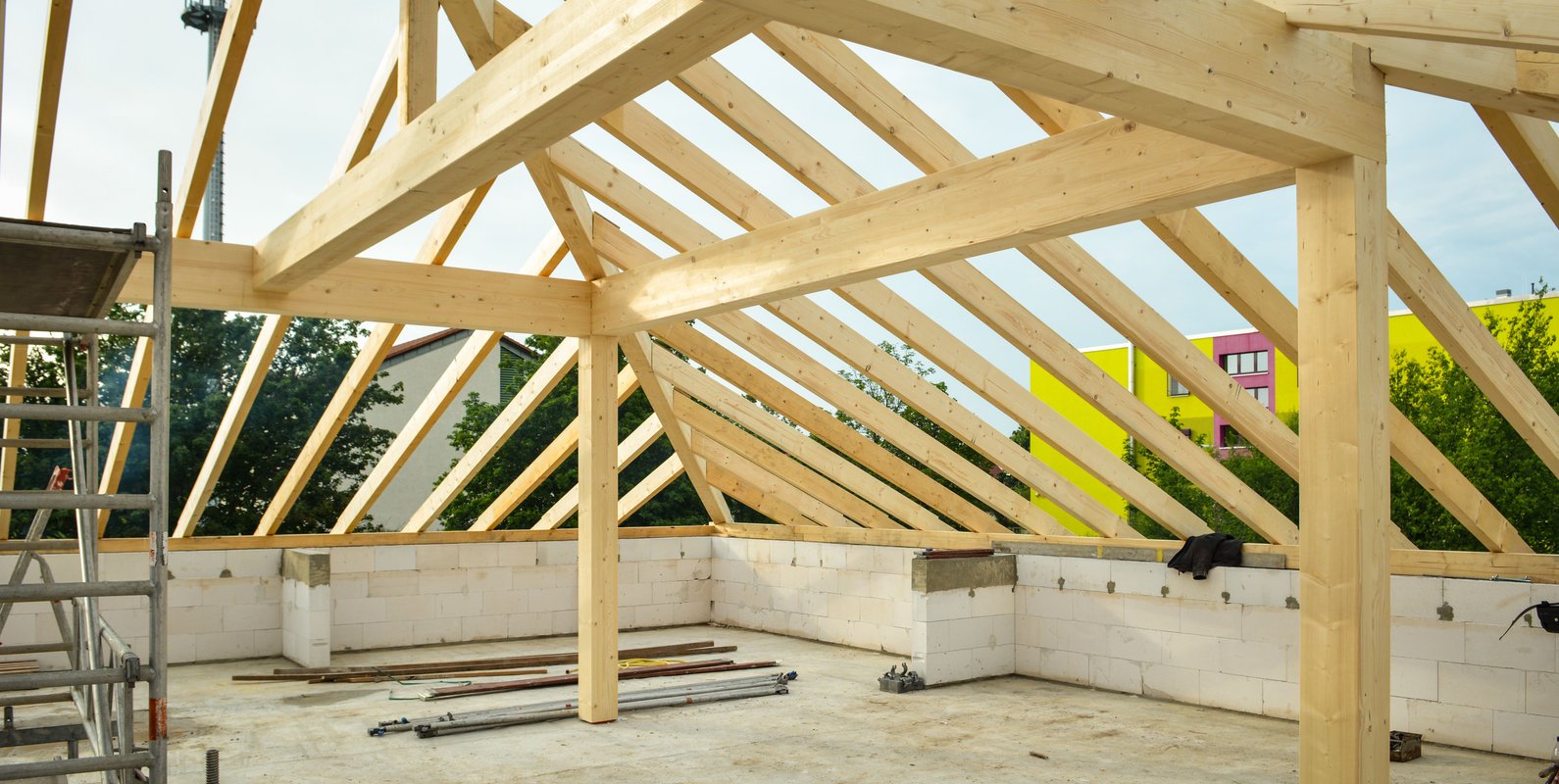
A commercial roof depends on several structural components working together. These may include roof decking, joists, beams, trusses, columns, and supporting connections.
When moisture enters the roof assembly, these components may experience deterioration that is not immediately visible from the exterior.
A structural evaluation may investigate signs such as:
Sagging or excessive roof deflection.
Deteriorated or weakened roof decking.
Corrosion of steel framing members.
Damaged or deteriorated wood framing.
Cracked or displaced structural connections.
Evidence of previous repairs or unauthorized modifications.
Consider an older commercial building where recurring roof leaks have gone unresolved. Water may gradually weaken portions of the roof deck or contribute to corrosion in steel framing. Replacing the roofing membrane without understanding the condition of the supporting structure could leave an important problem unaddressed.
This is where structural engineering becomes particularly important. A licensed Professional Engineer can assess relevant structural conditions, evaluate load-carrying capacity when appropriate, and determine whether additional investigation or reinforcement is needed.
- Additional Rooftop Equipment and Loading
Commercial buildings frequently accommodate rooftop equipment such as HVAC units, ventilation systems, exhaust equipment, solar panels, and other mechanical installations.
However, installing additional equipment is not simply a roofing decision. The added weight must be supported by the building's structural system.
A roof that has supported its original equipment for decades may not automatically have sufficient capacity for new installations.
An engineering review may consider:
The weight and location of proposed equipment.
Existing roof framing configuration.
Beam and joist spans.
Concentrated loads at equipment support points.
Load distribution and supporting connections.
Potential reinforcement requirements.
For example, a property owner planning to replace several rooftop HVAC units with larger models should determine whether the existing framing can accommodate the increased loads before installation.
Addressing these concerns during planning can help prevent structural modifications from becoming unexpected construction expenses.
- Weather-Related Damage and Long-Term Deterioration
Commercial roofs are exposed to environmental conditions throughout the year. Heavy rainfall, snow accumulation, strong winds, temperature fluctuations, and prolonged moisture exposure can affect roofing materials and structural components.
Depending on the building's location and construction, an evaluation may identify:
Wind-damaged roofing materials.
Displaced flashing and edge components.
Snow or ice-related damage.
Water-related deterioration.
Corrosion and material fatigue.
Damage associated with previous storms.
Not every visible defect indicates an immediate structural concern. However, understanding the extent of damage is important when determining whether routine maintenance, localized repairs, or a more comprehensive engineering assessment is appropriate.
Why Roof Evaluations Matter for Commercial Property Owners
A roof evaluation is useful in several situations beyond routine maintenance.
Before purchasing a commercial property: Buyers can better understand the roof's condition and identify potential repair expenses before completing a transaction.
Before major renovations: Property owners can determine whether the existing roof and supporting structure are suitable for proposed improvements.
After severe weather: An evaluation can help document visible damage and identify conditions that may require further investigation.
Before installing rooftop equipment: Structural capacity can be reviewed before additional loads are introduced.
When recurring leaks appear: An evaluation can help distinguish between isolated roofing deficiencies and problems involving underlying structural components.
The information gathered can also support maintenance planning, contractor discussions, insurance documentation, and future capital improvement budgets.
Recommendations: How to Approach a Commercial Roof Evaluation
A practical roof evaluation should consider both the roofing system and the building structure. The appropriate scope depends on the property's age, construction, visible conditions, intended use, and reason for the assessment.
- Start With a Review of Existing Building Information
Before conducting an evaluation, gather available documentation about the property.
Useful records may include:
Original architectural and structural drawings.
Previous roof inspection reports.
Roofing replacement and repair records.
Warranty documentation.
Records of previous water intrusion.
Documentation for rooftop mechanical equipment.
Previous structural modifications.
These records can help establish how the roof was originally designed and identify changes that may have occurred over time.
When original drawings are unavailable, additional investigation may be necessary to understand the existing construction.
- Inspect the Roofing System and Supporting Components
A roof evaluation should consider the visible roofing materials, drainage conditions, flashing, penetrations, and accessible structural components.
The inspection should also consider interior conditions where appropriate. Ceiling stains, damaged finishes, corrosion, and visible framing deterioration may provide useful clues about problems occurring above.
It is important to recognize that a visual evaluation has limitations. Concealed deterioration may require additional investigation, selective removal of materials, or specialized testing to determine its full extent.
- Involve a Structural Engineer When Structural Concerns Exist
A roofing contractor can evaluate roofing materials and recommend appropriate repairs. However, concerns involving structural capacity, damaged framing, excessive deflection, or changes in roof loading may require a licensed Professional Engineer.
A structural engineer can assess the relevant load-bearing components and determine whether the existing system can safely support its intended loads.
This distinction matters because replacing damaged roofing materials does not necessarily resolve structural deficiencies underneath.
- Prioritize Repairs Based on Risk and Building Conditions
Not all roofing deficiencies require the same level of attention.
Some conditions may involve routine maintenance, while others may require prompt intervention.
A useful repair strategy considers:
Potential safety concerns.
The extent of water intrusion.
The condition of structural components.
The likelihood of continued deterioration.
The impact on building operations.
The estimated scope and cost of repairs.
For example, a minor flashing deficiency may be addressed through localized repair. However, widespread corrosion or visibly sagging roof framing requires a more detailed assessment before determining an appropriate repair approach.
- Develop a Long-Term Roof Maintenance Plan
Commercial roofs should be monitored throughout their service life rather than evaluated only after a leak or visible failure occurs.
A maintenance plan can include periodic inspections, drainage cleaning, prompt repair of damaged materials, documentation of recurring problems, and monitoring of previously identified deficiencies.
The inspection frequency should reflect the roofing manufacturer's recommendations, building conditions, weather exposure, and applicable maintenance requirements.
Maintaining organized records also helps property owners anticipate future expenses and make better-informed capital improvement decisions.
Practical Examples: When a Commercial Roof Evaluation Is Needed
Example 1: Recurring Leaks in a Commercial Warehouse
A warehouse experiences recurring water intrusion despite several previous roofing repairs. Interior ceiling stains continue to appear after heavy rainfall.
A more comprehensive evaluation identifies deteriorated roofing materials and areas of moisture damage near the roof deck.
Rather than continuing to address individual leaks without understanding their source, the property owner can use the findings to develop a more complete repair scope.
Example 2: Installing New HVAC Equipment
A commercial property owner plans to replace an existing rooftop HVAC system with larger equipment.
The proposed units weigh more than the original equipment, raising questions about whether the existing roof framing can support the additional loads.
A structural engineer reviews the framing arrangement, equipment locations, and proposed loads to determine whether reinforcement is necessary before installation.
Example 3: Evaluating an Older Commercial Building Before Purchase
A prospective buyer is considering an older retail property. The roof appears serviceable from the ground, but maintenance records are incomplete.
A professional evaluation identifies deteriorated flashing, drainage concerns, and areas requiring further structural investigation.
The findings give the buyer a clearer understanding of potential repair obligations and help inform the property's overall acquisition and renovation planning.
Example 4: Roof Damage Following Severe Weather
Following a major storm, a commercial building experiences damaged roofing materials and interior water intrusion.
An evaluation helps document visible damage, identify affected areas, and determine whether additional structural review is necessary.
This information can help guide repair planning and support discussions with contractors and insurance representatives.
Frequently Asked Questions About Roof Evaluations for Commercial Properties
- What Is Included in a Commercial Roof Evaluation?
A commercial roof evaluation may include a review of roofing materials, flashing, drainage systems, roof penetrations, visible water damage, and accessible structural components.
The scope depends on the building's condition and the purpose of the assessment. More detailed structural analysis may be necessary when framing damage, excessive deflection, or additional loading is involved.
- How Often Should a Commercial Roof Be Evaluated?
There is no single inspection schedule appropriate for every commercial property. The recommended frequency depends on the roofing system, building age, environmental exposure, maintenance history, and manufacturer recommendations.
Property owners should also consider evaluations after significant weather events, recurring leaks, or major rooftop equipment changes.
- Does a Roof Evaluation Include Structural Engineering?
Not every roof inspection includes a structural engineering assessment.
A roofing inspection generally focuses on the roofing materials and waterproofing system. A structural evaluation examines load-bearing components and may include calculations to determine whether the existing framing can support specific loads.
When structural concerns are identified, involving a licensed Professional Engineer helps establish the appropriate scope of investigation.
- Can a Commercial Roof Support New HVAC Equipment or Solar Panels?
Possibly, but the existing structural capacity should be evaluated before additional equipment is installed.
The engineer may review the equipment weight, support locations, roof framing, load distribution, and applicable design requirements. Reinforcement may be necessary depending on the findings.
- What Are the Warning Signs That a Commercial Roof Needs Evaluation?
Common warning signs include recurring leaks, water stains, ponding water, damaged flashing, visible roof sagging, corrosion, deteriorated roofing materials, and unexplained changes in interior conditions.
These signs do not automatically indicate structural failure, but they should not be ignored.
- Is a Commercial Roof Evaluation Necessary Before Buying a Building?
A roof evaluation can be an important part of commercial property due diligence, particularly for older buildings or properties with incomplete maintenance records.
Understanding the roof's condition can help buyers identify potential repair costs, assess maintenance obligations, and plan future improvements before completing a purchase.
- How Much Does a Commercial Roof Evaluation Cost?
The cost varies depending on building size, roof accessibility, construction type, evaluation scope, documentation requirements, and whether structural calculations or additional testing are necessary.
A basic visual review and a detailed structural assessment involve different levels of professional work. The appropriate scope should be established based on the property's specific conditions.
Conclusion
Commercial roof evaluations are an important part of protecting a building's condition, safety, and long-term value. Although many roofing concerns begin as minor maintenance issues, unresolved water intrusion, material deterioration, and structural deficiencies can lead to more extensive repairs over time.
A thorough evaluation helps property owners understand what is happening above the occupied space and whether the concerns involve roofing materials, drainage, structural framing, or a combination of these systems.
For commercial property owners planning renovations, installing rooftop equipment, purchasing an existing building, or addressing recurring roof problems, evaluating the roof before proceeding can provide valuable information for construction planning and budgeting.
The most effective approach is to identify deficiencies early, understand their underlying causes, and determine the appropriate repair or engineering response based on the building's actual conditions.
Need a Professional Evaluation of Your Commercial Building?
If your commercial property has recurring roof leaks, visible structural concerns, or planned rooftop equipment installations, an engineering evaluation can help clarify the condition of the existing structure and identify appropriate next steps.
Contact NextBLDG to discuss your commercial building evaluation or structural engineering needs.