 Click To Email
 Call us +1 315 530-1099


When a Renovation Goes Wrong: How to Know It’s Time to Call a Structural Engineer

A Common Renovation Mistake With Serious Consequences
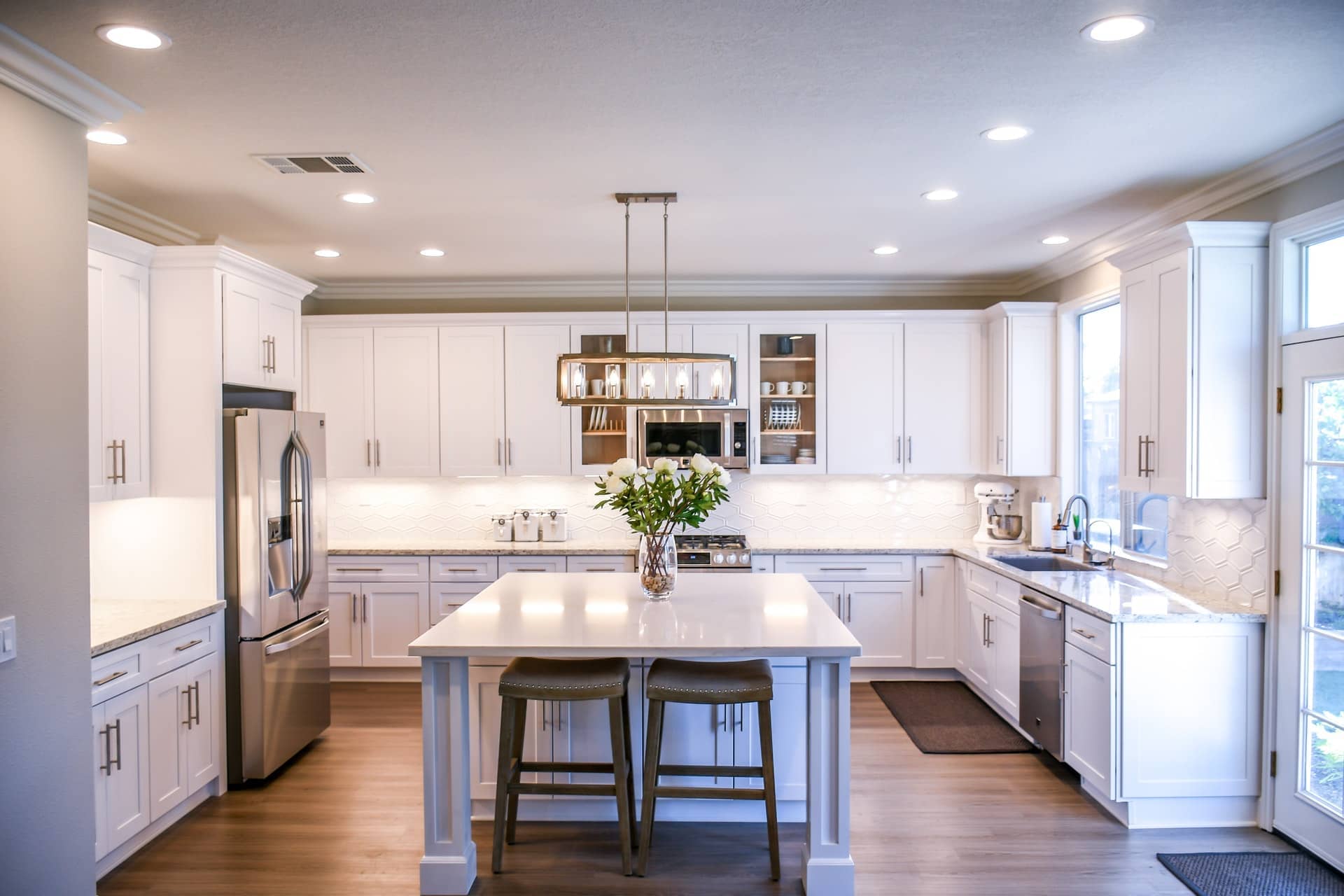
Open-concept living spaces are one of the most requested home upgrades today. The danger: Wall removal without fully understanding its structural role can quickly turn a simple renovation into a serious problem.
In a recent NextBLDG project, a homeowner began removing a wall believed to be non-load-bearing—only to discover mid-demolition that it was supporting significant structural loads from the upper floors. The result? Visible sagging and an urgent need for engineering intervention.
This case highlights a critical question every homeowner and contractor should understand:
When should you call a structural engineer during a renovation?
What Went Wrong: Misidentifying a Load-Bearing Wall
The wall in question was assumed to be decorative. However, once partially removed, the home exhibited classic signs of structural distress:
- Ceiling and framing started to sag
- Loads were no longer properly supported
- Temporary stabilization became necessary
Engineering analysis later confirmed that the wall had been supporting:
- Second- and third-floor live and dead loads
- Additional wall loads above
- A total structural load exceeding 18,000 pounds
Without intervention, this would have led to progressive structural damage.
Why This Is a Big Deal
From an engineering standpoint, load-bearing walls are essential components of a building’s load path—the system that safely transfers weight from the structure down to the foundation and into the ground.
When that load path is interrupted:
- Structural members overstress
- Deflection increases rapidly
- Failure risks escalate
In this case, the observed sag wasn’t cosmetic—it was an early warning sign of load redistribution and overstressed framing.
The Turning Point: Calling in a Professional Engineer
At the moment visible sag occurs, the priority shifts from renovation to stabilization.
The homeowner brought in a licensed professional engineer to:
- Assess the structural condition
- Determine load requirements
- Design a safe and efficient fix
- Preserve the intended open layout as much as possible
This is where engineering expertise delivers real value—not just solving the problem, but doing so efficiently.
The Engineered Solution: LVL Beam Design
After a full structural evaluation, the engineer designed a replacement beam system to carry the removed wall’s loads.
Key Design Elements
Engineered wood beam (Microllam LVL)
Designed using IBC 2024 and ASCE 7-22 standards
Verified for:
- Bending strength
- Shear capacity
- Deflection limits
Final Beam Specification
- 3-ply LVL beam (1.75" × 11.87")
- 12-foot span
The solution passed all structural checks with acceptable margins.
In addition, three 2×6 studs were designed to support the beam loads safely.
The Critical Adjustment: Why the Opening Was Reduced
The homeowner initially planned a 12.25-foot opening. However, the engineered solution required a slight modification:
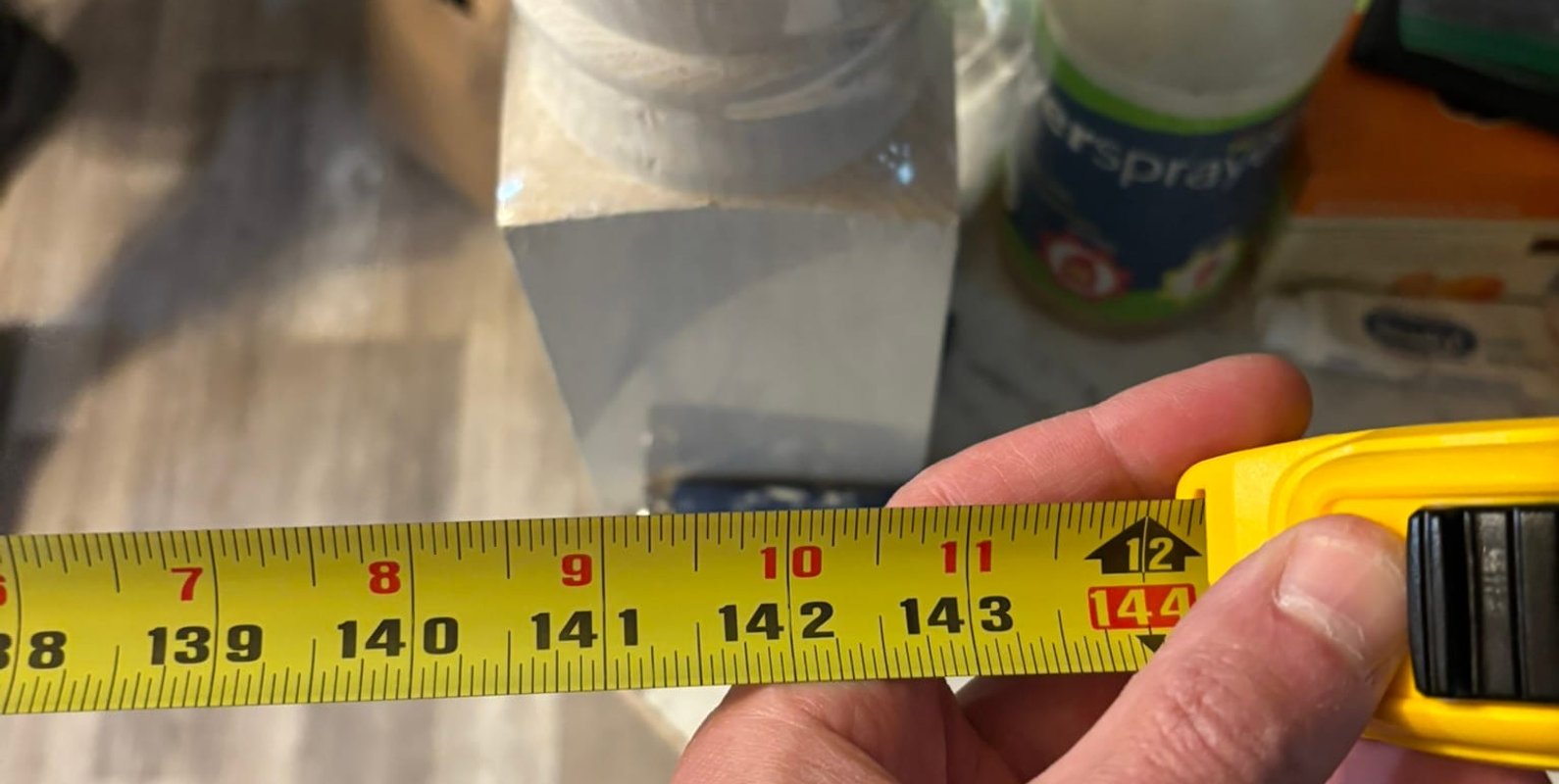
The final opening was reduced to 12 feet
Why this mattered:
- Improved structural efficiency of the beam
- Reduced deflection and stress
- Simplified constructability
- Maintained code compliance
This small 3-inch compromise avoided a significantly more complex (and costly) structural solution—while still achieving the homeowner’s open-concept goal.
When Should You Call a Structural Engineer?
Call a structural engineer immediately if:
- A wall is being removed or modified
- You notice any sagging or cracking during demolition
- Structural elements are exposed and unclear
- Your contractor is uncertain about load paths
- Project conditions change mid-renovation
Pro tip: The best time to call is before demolition—but as this case shows, mid-project intervention can still save the outcome.
Lessons Learned
Assumptions Can Be Costly
Even experienced renovators can misidentify load-bearing walls.
Early Warning Signs Matter
Sagging is not cosmetic—it’s structural.
Engineering Preserves Design Intent
A properly engineered solution allowed the homeowner to keep an open layout with minimal compromise.
Small Changes Unlock Big Solutions
Reducing the span by just 3 inches enabled a practical, code-compliant design.
Why This Matters for Your Next Renovation
This project reflects a broader truth in residential construction:
Good design creates vision—but engineering makes it possible
At NextBLDG, we combine real-world construction insight with engineering expertise to guide projects through unexpected challenges—ensuring safety, compliance, and successful outcomes.
Conclusion: Don’t Wait Until It’s Too Late
If something feels off during a renovation, trust that instinct.
Calling an engineer at the right time can:
- Prevent costly damage
- Protect your investment
- Keep your project on track
In this case, what started as a potentially serious structural issue was resolved with a precise, efficient design—demonstrating the value of expert intervention when it matters most.
About NextBLDG
NextBLDG provides practical, engineering-informed solutions for residential and light commercial construction projects. Our approach combines:
- Field experience
- Code-based engineering design
- Real-world constructability insight
Whether you’re planning a renovation or troubleshooting a structural issue, we help ensure your project is built on a solid foundation—literally and figuratively.