 Click To Email
 Call us +1 315 530-1099


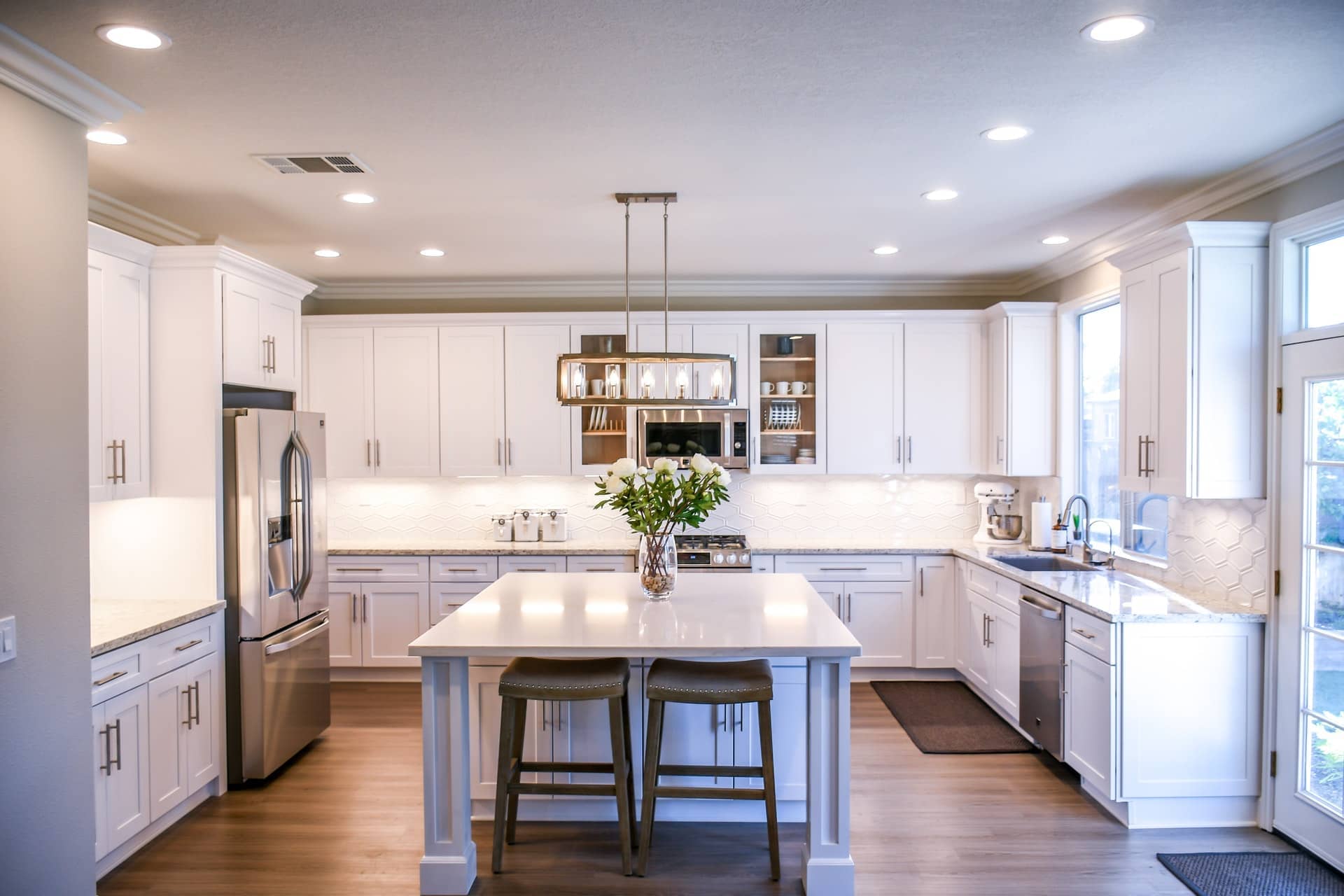
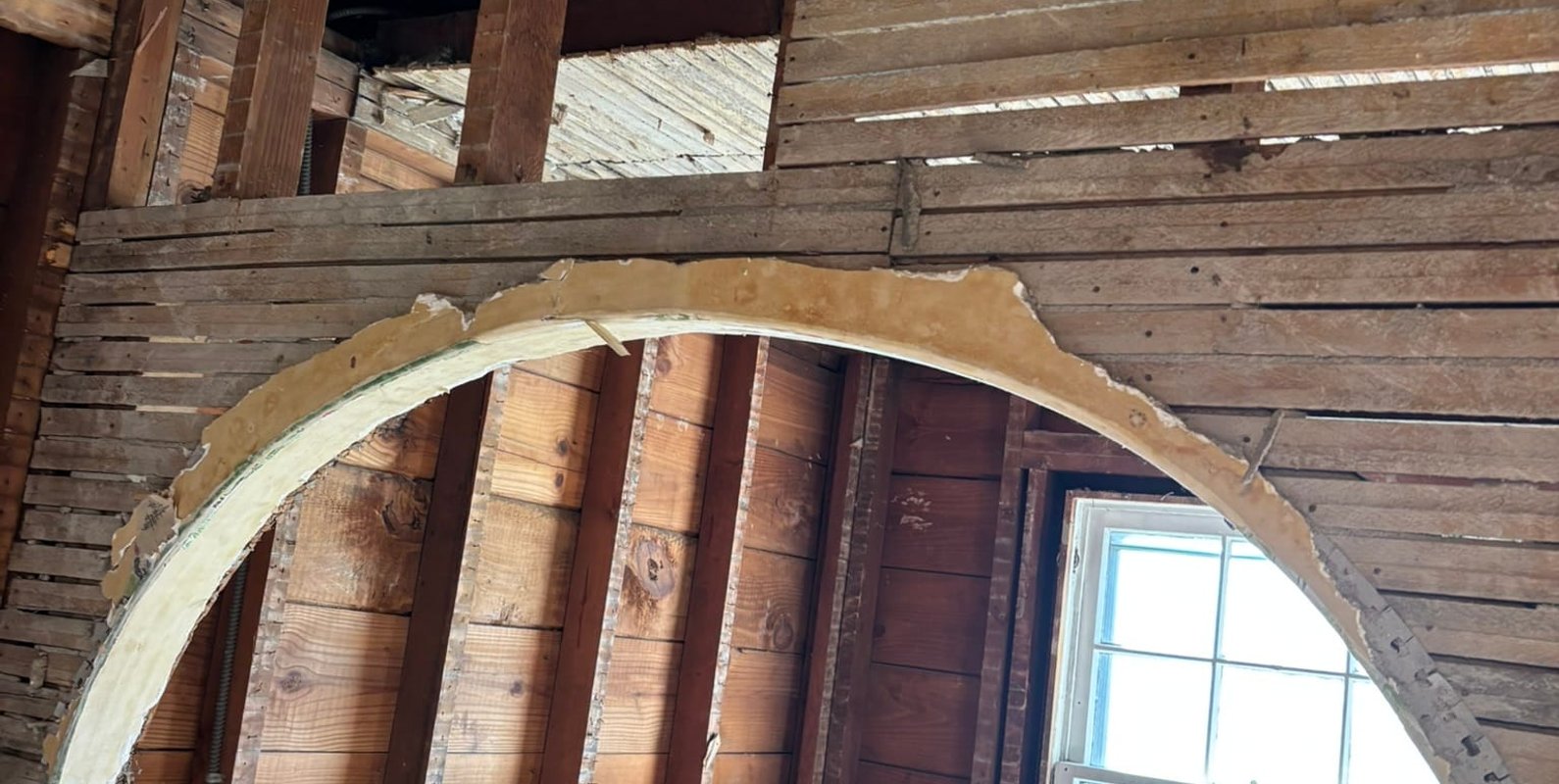
Kitchen Remodeling Case Study: Opening Up Space by Removing a Load-Bearing Wall

Home: Residential Single Family, built 1928
Location: Cranford, NJ
Focus: Open-concept kitchen transformation
Key Challenge: Safe removal of a load-bearing wall
Solution: Professionally engineered support beam
How to transform a closed kitchen into open living?
Modern homeowners seek open-concept kitchen designs that improve functionality, natural light, and social connection. In this case study, we highlight a successful kitchen remodel that was designed by NextBLDG centered on removing a load-bearing wall—a complex structural modification requiring expert engineering. The result: a seamless, airy kitchen that flows into the dining area and back yard, dramatically enhancing both usability and property value.
How to remove a load-bearing wall in a kitchen?
Unlike non-structural partitions, the load-bearing wall supported the weight of the upper floor, roof, and outer wall. Removing it without proper planning can compromise the entire home.
In this project, the wall separating the kitchen from the living space carried critical loads from above. Eliminating it required more than demolition—it demanded a precisely engineered structural replacement to safely redistribute weight.
Engineering the Solution: Designed Support Structure
The cornerstone of this remodel was a professionally engineered beam system, developed through structural analysis and code-compliant calculations.
Key Structural Elements
- Beam Type: MicroLam LVL (Laminated Veneer Lumber)
- Configuration: Triple beam (3 × 1.75" x 11.87")
- Span: Approximately 12.92 feet
- Support System: (3) 2x6 Douglas Fir-Larch studs at each end
- Design Standard: IBC 2021, ASCE 7-16, NDS 2018
Performance Results
The engineered design was rigorously verified for:
- Bending strength
- Shear capacity
- Deflection limits
- Load transfer to supports
Conclusion: The beam system was structurally adequate and approved for construction
Why Professional Engineering Matters
This project demonstrates a critical point: removing a load-bearing wall is not a DIY task.
A licensed structural engineer:
- Analyzes load paths and structural demands
- Fixes previous DIY jobs that had weakened the load carrying capacity of the wall.
- Ensures compliance with building codes
- Create a seamless look for the combined space: no columns; and no protruding beams on the ceiling.
Without this expertise, the homeowner risked costly repairs—or worse, structural instability.