 Click To Email
 Call us +1 315 530-1099


Case Study in Grahmsville, NY: Retaining Wall Replacement Timing

Q: How do I know if my retaining wall needs to be replaced?
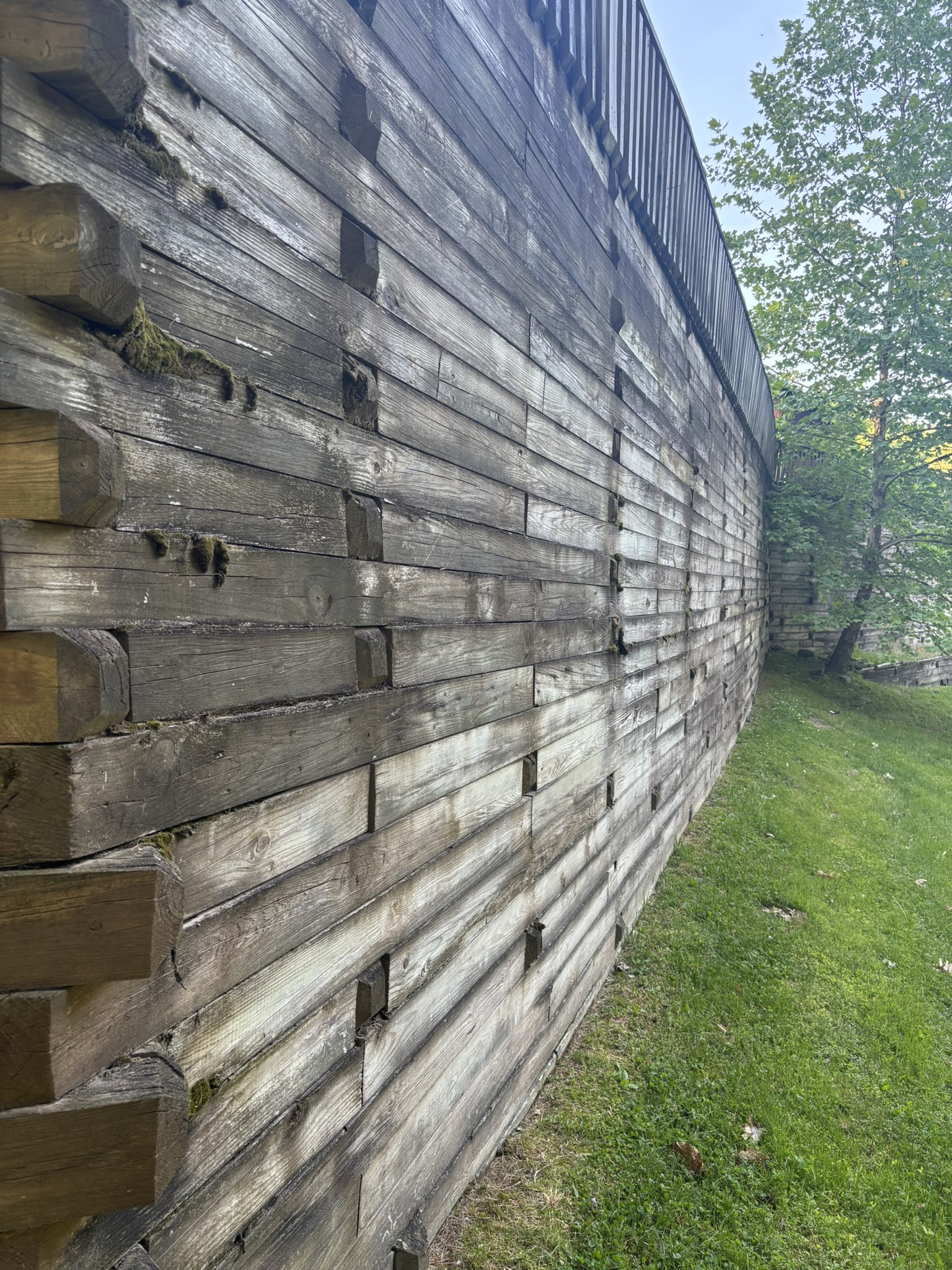
The key judgment is not whether the wall is still standing—but whether it can continue to perform safely over time. In this inspection, the wall showed leaning at the top, aging materials, and drainage concerns, all of which indicate declining long‑term reliability. An engineer looks at whether these issues are isolated or systemic; in this case, they pointed to the entire wall reaching the end of its useful life. The decision to recommend replacement in 3–5 years reflects that the wall still functions today but is no longer dependable long term. The judgment call is balancing current performance with predictable future failure.
Q: What does “leaning” actually mean—how serious is it?
Leaning—especially at the top—is an early but meaningful sign that internal forces are no longer balanced. In this case, the wall leaned outward while the lower portion appeared relatively stable, which indicates pressure building behind the wall rather than simple surface damage. The judgment here is determining whether the movement is cosmetic or structural; for a 10+ ft wall supporting a driveway and house, this is structural. Even small displacement at that height means large forces are acting below. Engineers interpret this as a warning that the system is under stress, not a finished failure.
Q: What causes retaining walls to fail?
While age contributes, the primary engineering cause is usually water pressure behind the wall, not the material itself. In this inspection, conditions suggested clogged or ineffective drainage, allowing water to accumulate and increase hydrostatic pressure over time. Freeze‑thaw cycles can amplify this, pushing the wall outward incrementally each season. The judgment call is determining whether the drainage system is still performing as intended; once it is compromised, the wall is no longer behaving as designed. At that point, even a visually intact wall can be structurally compromised.
Q: Can I just repair parts of the wall instead of replacing it?
This depends heavily on the size and function of the wall, and that is where judgment becomes critical. For smaller landscape walls, localized repairs can work because loads are minimal and failures are isolated. However, in this case, the wall is over 10 feet tall and supports both soil and structural loads, meaning the entire system works together. When one part begins to fail, it usually indicates deeper system-wide deterioration. The engineering judgment is that replacing individual pieces will not restore the wall to code-level stability, so replacement becomes the safer long-term option.
Q: When does a retaining wall become “structural”?
A retaining wall becomes structural when it holds significant height, load, or importance to the property. In this inspection, the wall exceeded 10 feet in height and supported a driveway, garage, and house, which automatically places it under engineering code requirements. These walls must resist sliding, overturning, and soil pressure with defined safety factors. The judgment call is recognizing that this is no longer a landscaping feature—it is part of the building system. That distinction determines whether casual repairs are acceptable or engineered solutions are required.
Q: If it’s not failing yet, why replace it?
This is one of the most important judgment calls engineers make. The decision is not based on visible failure, but on predictability of future performance. In this case, the wall is still functioning, but measurable signs—leaning, aging, and drainage pressure—indicate it will not remain stable indefinitely. Waiting for failure introduces unnecessary risk because the consequences are larger and less controlled. Planning replacement early allows the homeowner to act on their terms rather than reacting to damage.
Q: What are the warning signs I should watch for?
The warning signs engineers prioritize are those that show movement, pressure, or degradation, not just appearance. In this inspection, the most telling signs were leaning at the top, drainage concerns, and localized wood deterioration in critical elements like the tie-backs. The judgment is in recognizing patterns—one small sign may not mean failure, but several together indicate a system in decline. Homeowners often underestimate subtle movement, but engineers see it as an early stage of structural change. Watching trends over time is more important than any single snapshot.
Q: What happens if I ignore these signs?
Ignoring early signs typically doesn’t cause immediate failure—but it removes your ability to control the outcome. In this case, the wall supports significant loads, so failure could impact the driveway, garage, or home above. The engineering judgment considers the consequence of failure, not just the likelihood. Even if failure is gradual, the cost and disruption increase significantly once movement accelerates. Acting early keeps the situation predictable and manageable.
Q: What does a proper replacement involve?
A proper replacement is not just rebuilding what’s there—it’s correcting the underlying issues that caused deterioration. This includes engineered design, improved drainage systems, and materials suited for long-term performance such as concrete or masonry. In some cases, redesign options like terracing may reduce loads, depending on site constraints. The judgment call is selecting a system that matches the actual forces acting on the wall—not simply replicating the original construction. This is where engineering input becomes essential.
Q: What should I do next if I’m unsure?
If there is uncertainty, the first step is not replacement—it’s clarity. A visual inspection helps determine whether the wall is stable, declining, or critical. In this case, the recommendation was annual monitoring combined with long-term planning for replacement. The judgment is in pacing the decision correctly—neither ignoring the issue nor overreacting prematurely. The goal is informed action, not reactive repair.
Final Thought
A retaining wall rarely fails without warning—it’s the interpretation of those warnings that determines whether the outcome is controlled or costly.