 Click To Email
 Call us +1 315 530-1099




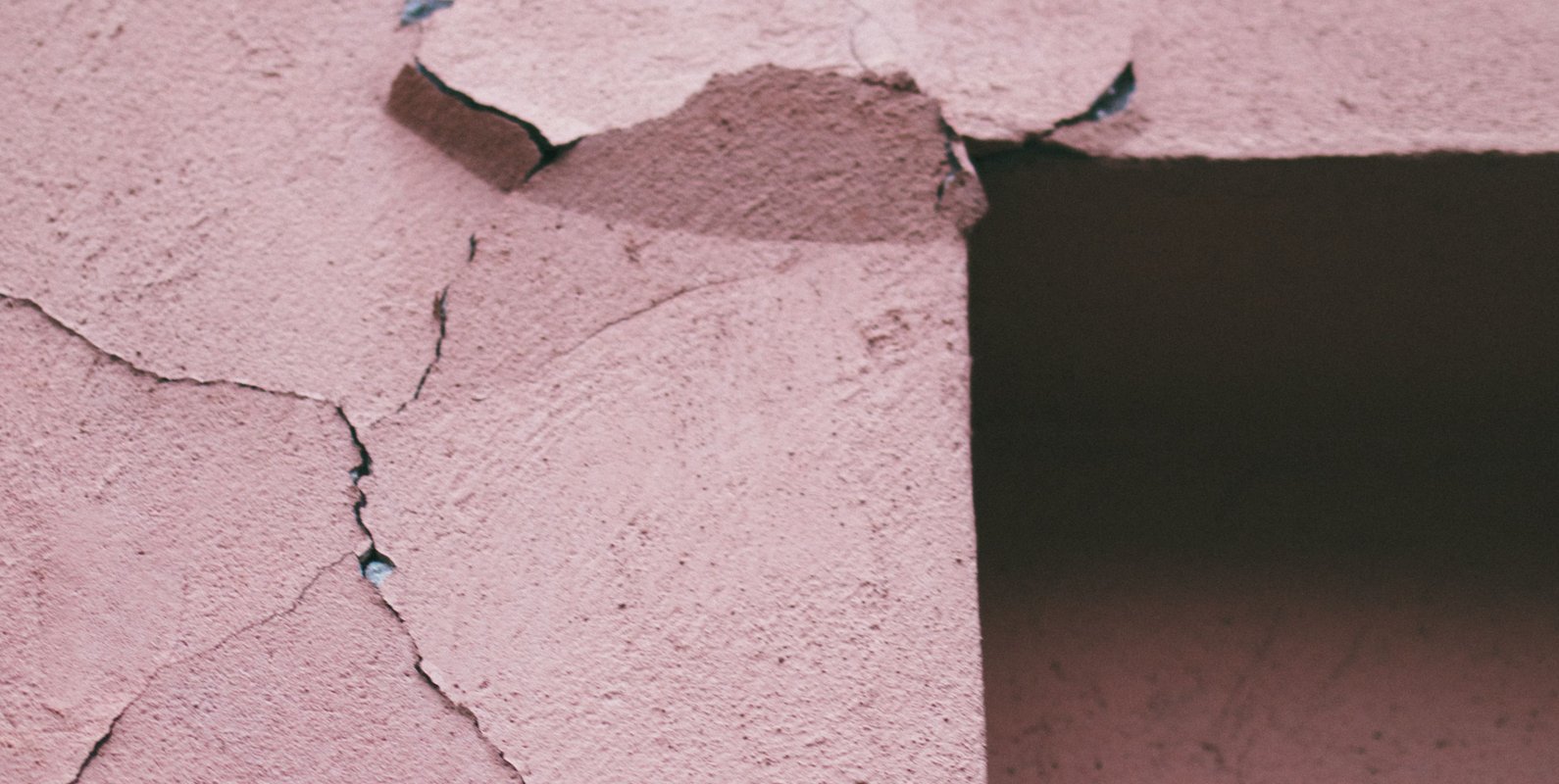
Foundation Problems in Commercial Buildings: Causes, Signs & Solutions

A commercial building's foundation is one of its most important structural components. It transfers the weight of the building, its occupants, equipment, and other loads into the supporting soil. When the foundation begins to deteriorate or move, the effects can extend far beyond the basement or ground level.
Foundation problems in commercial buildings can develop gradually over several years or appear following significant environmental changes, water intrusion, nearby excavation, or changes in building loads. In many cases, the first signs are relatively subtle, such as small cracks in walls, uneven floors, or doors that suddenly become difficult to operate.
Although some cracks are associated with normal material shrinkage or minor movement, others may indicate more serious structural conditions. The challenge for property owners is determining which conditions require routine maintenance and which warrant a professional engineering evaluation.
Understanding the causes, recognizing early warning signs, and addressing underlying problems can help property owners avoid more extensive repairs and make informed decisions about building maintenance and renovation.
Common Foundation Problems in Commercial Buildings
Commercial properties vary significantly in size, construction type, soil conditions, and foundation systems. A concrete slab supporting a retail building, for example, behaves differently from the deep foundation system supporting a multistory office building.
However, several foundation-related issues appear frequently across different property types.
- Foundation Settlement
Foundation settlement occurs when the soil beneath a building compresses or shifts, causing the foundation to move downward.
Some initial settlement is expected after construction. Problems arise when settlement becomes excessive or occurs unevenly across different areas of the building.
Differential settlement is particularly concerning because different portions of the foundation move by different amounts. This creates stress within the structural system and can lead to:
Diagonal cracks in masonry walls.
Separation between walls and ceilings.
Uneven or sloping floors.
Cracking around windows and door openings.
Misaligned doors and windows.
Visible gaps between structural components.
For example, a commercial property constructed on soil with varying density may experience settlement in one corner while the remaining foundation stays relatively stable. Over time, this uneven movement can cause cracks in exterior masonry and affect interior finishes.
The extent of the damage depends on the amount of movement, the building's structural system, and whether settlement is ongoing.
- Foundation Wall Cracking
Cracks in foundation walls can develop for several reasons, including concrete shrinkage, soil pressure, water infiltration, and structural movement.
Not all foundation cracks indicate an immediate structural concern. However, their location, direction, width, and progression provide important information about the underlying condition.
Common crack patterns include:
Vertical cracks: May result from concrete shrinkage or localized movement.
Horizontal cracks: Can indicate lateral soil pressure against foundation walls.
Diagonal cracks: May be associated with differential settlement or uneven structural movement.
Stair-step cracks: Often appear in masonry foundations and may indicate movement or settlement.
Horizontal cracks deserve particular attention because they can be associated with significant lateral pressure. If the wall begins to bow inward, the condition may indicate that the foundation is struggling to resist the surrounding soil forces.
Property owners should avoid assuming that filling a crack with sealant resolves the underlying problem. A repair that addresses only the visible opening may leave the original cause untreated.
- Water Intrusion and Poor Drainage
Water is one of the most common contributors to foundation deterioration.
When rainwater collects around a commercial building instead of draining away, the surrounding soil can become saturated. This may increase hydrostatic pressure against foundation walls and create conditions that contribute to cracking, leakage, and movement.
Water-related foundation problems may result from:
Improper grading around the building.
Blocked or damaged drainage systems.
Inadequate foundation waterproofing.
Clogged gutters and downspouts.
Poorly maintained stormwater management systems.
Underground plumbing leaks.
For example, a commercial building with an improperly sloped parking area may experience repeated water accumulation near its foundation. Over time, saturated soil can increase pressure against basement walls, while recurring moisture intrusion can damage interior finishes and stored materials.
In colder climates, repeated freezing and thawing can create additional stress. Water entering small cracks may freeze, expand, and contribute to further deterioration.
Effective foundation management therefore requires more than repairing concrete. Drainage, grading, and water management must also be considered.
- Soil Movement and Expansive Soils
The condition of the soil beneath a building plays a major role in foundation performance.
Some soils expand when they absorb moisture and shrink when they dry. These changes in volume can cause repeated movement beneath a foundation.
Expansive clay soils are particularly challenging because their moisture content can fluctuate significantly with seasonal weather conditions.
Commercial properties may experience additional soil-related concerns when nearby construction, excavation, utility work, or changes in site drainage alter the conditions surrounding the foundation.
For example, excavation for an adjacent building may change the support conditions around an existing commercial structure. Without proper planning and protection, the work could contribute to ground movement or settlement.
Understanding the relationship between soil conditions and foundation behavior is essential when evaluating recurring cracks or unexplained structural movement.
- Foundation Deterioration and Material Damage
Concrete foundations can deteriorate over time due to moisture exposure, chemical reactions, corrosion of embedded reinforcement, poor construction practices, and environmental conditions.
Common signs include:
Surface scaling and concrete flaking.
Exposed or corroded reinforcing steel.
Spalling around foundation walls.
Crumbling concrete.
Deterioration around construction joints.
Localized areas of concrete separation.
In commercial buildings, deterioration can become particularly important when foundation components support heavy equipment, columns, storage systems, or other concentrated loads.
For example, a manufacturing facility may have equipment installed near an area of deteriorated concrete. The existing foundation may require evaluation to determine whether it can continue supporting the equipment safely or whether reinforcement or replacement is necessary.
How Foundation Problems Affect Commercial Properties
Foundation damage is not limited to the structural components below ground. Movement and deterioration can affect multiple parts of a building and create operational challenges for owners and tenants.
Structural Safety
Foundation movement can affect the load paths that transfer building loads to the ground. When these load paths are compromised, additional stress may develop in columns, beams, walls, and other structural components.
In more serious situations, continued movement may affect the building's ability to safely support its intended loads.
Building Operations
Uneven floors, damaged partitions, misaligned doors, and water intrusion can interfere with everyday operations.
For businesses that depend on specialized equipment, manufacturing processes, or precise floor conditions, even relatively localized movement can create practical difficulties.
Repair and Maintenance Costs
Delaying an investigation may allow a relatively manageable problem to develop into a more extensive repair.
For example, correcting a drainage issue early may help prevent recurring water intrusion. If the problem continues for years, the property may eventually require concrete repairs, waterproofing, drainage improvements, or foundation stabilization.
Property Value and Future Renovations
Unresolved foundation concerns can complicate property transactions, refinancing, insurance matters, and future construction planning.
Owners considering building additions, equipment installations, or changes in occupancy should understand the condition and capacity of the existing foundation before moving forward.
A foundation that was adequate for its original purpose may require additional evaluation when the building's use or structural loads change.
How Structural Engineers Evaluate Foundation Problems
Identifying the cause of a foundation problem is often more complicated than observing a crack or measuring an uneven floor.
A structural engineering evaluation considers the building as a complete system, including the foundation, supporting soil, framing, drainage conditions, and applied loads.
Depending on the property's condition and the scope of the investigation, an evaluation may include the following.
Visual Structural Inspection
The initial assessment typically documents visible conditions throughout the affected areas.
This may include:
Foundation wall cracks and their patterns.
Signs of settlement or displacement.
Evidence of water intrusion.
Concrete deterioration.
Floor elevation differences.
Movement around structural connections.
Conditions affecting nearby columns, beams, and walls.
Photographs and measurements help establish a record of existing conditions.
Review of Building History and Existing Documents
Previous inspection reports, construction drawings, renovation records, and maintenance documentation can provide useful background.
Understanding when cracks first appeared, whether they have changed, and whether the building has undergone recent modifications can help identify potential causes.
Evaluation of Drainage and Site Conditions
The surrounding property should also be considered.
Surface grading, downspout locations, drainage systems, nearby excavation, and visible signs of soil erosion may help explain recurring foundation movement or moisture problems.
Where necessary, additional geotechnical investigation may be recommended to better understand soil conditions.
Structural Analysis
When conditions suggest a potential structural concern, engineering calculations and additional measurements may be necessary.
The engineer evaluates how loads are transferred through the building and whether the affected foundation components have sufficient capacity for their intended use.
The scope of analysis depends on the severity of the observed conditions and the information available.
Engineering Recommendations
After evaluating the available information, the engineer can develop recommendations based on the identified conditions.
These may include monitoring, drainage improvements, concrete repairs, foundation reinforcement, underpinning, or other engineered stabilization measures.
The appropriate solution should address the underlying cause rather than simply conceal the visible damage.
Recommended Solutions for Commercial Foundation Problems
Foundation repair is not a one-size-fits-all process. The appropriate approach depends on the foundation system, soil conditions, building loads, and severity of the damage.
Some commonly considered solutions include:
Drainage Improvements
When water accumulation contributes to foundation problems, improving drainage may be an important first step.
Potential improvements include correcting surface grading, repairing downspouts, installing or repairing drainage systems, and addressing areas where water collects near the building.
Concrete Repair and Waterproofing
Localized deterioration and water intrusion may require concrete patching, crack repair, joint treatment, or waterproofing.
These measures can help protect foundation materials, but they should be selected based on the actual cause and condition of the damage.
Foundation Underpinning
Underpinning may be considered when an existing foundation requires additional support or when the soil beneath it cannot adequately support the building.
Depending on site conditions, the work may involve installing deeper support elements or extending the existing foundation to more stable bearing material.
Because underpinning involves significant structural work, it requires careful engineering design and construction planning.
Foundation Reinforcement
Foundation walls experiencing excessive lateral pressure or structural deterioration may require reinforcement.
Possible approaches include engineered bracing, reinforced concrete elements, or other stabilization systems designed for the specific conditions.
Load Redistribution and Structural Modifications
In some situations, foundation problems become more complicated when additional equipment, storage systems, or building expansions increase the loads transferred to the foundation.
An engineer may need to evaluate whether loads can be redistributed or whether additional structural support is necessary.
Any proposed modifications should be coordinated with the building's overall structural design.
Recommendations for Commercial Property Owners
A proactive approach to foundation maintenance can help reduce uncertainty and prevent avoidable repair costs.
Property owners and facility managers should consider the following practices:
Inspect foundations regularly. Look for new cracks, changes in existing cracks, wall movement, water intrusion, and uneven floors.
Document visible changes. Photograph affected areas and record when new conditions appear. This information can help an engineer determine whether movement is progressing.
Maintain drainage systems. Keep gutters, downspouts, drains, and stormwater systems clear and functional.
Investigate recurring moisture problems. Repeated water intrusion should be evaluated rather than treated as a routine maintenance issue.
Evaluate structural concerns before renovations. New equipment, additions, and changes in building use may introduce loads that the existing foundation was not designed to support.
Seek professional engineering guidance. Significant cracking, wall displacement, ongoing settlement, or visible structural deterioration should be evaluated by a qualified structural engineer.
Avoid cosmetic repairs before understanding the cause. Filling cracks or covering damaged surfaces may conceal symptoms without correcting the underlying problem.
Early evaluation is especially important when multiple warning signs appear together or when conditions continue to change.
Frequently Asked Questions
- What are the most common signs of foundation problems in commercial buildings?
Common warning signs include diagonal or horizontal foundation cracks, uneven floors, bowing foundation walls, water intrusion, misaligned doors and windows, and visible settlement around portions of the building.
The significance of these conditions depends on their pattern, severity, location, and progression.
- Are foundation cracks always a sign of structural damage?
No. Some cracks develop from normal concrete shrinkage or minor material movement.
However, widening cracks, horizontal cracking, significant displacement, or cracks accompanied by uneven floors and wall movement may indicate a more serious condition. An engineering evaluation can help determine whether the cracks are cosmetic or structural.
- Can poor drainage cause foundation problems?
Yes. Poor drainage can allow water to accumulate around the foundation, increasing soil pressure and contributing to moisture intrusion and deterioration.
In some soil conditions, changes in moisture content can also contribute to expansion, shrinkage, and uneven foundation movement.
- When should a commercial building owner hire a structural engineer?
A structural engineer should be considered when there are signs of ongoing settlement, bowing foundation walls, significant cracking, concrete deterioration, or unexplained structural movement.
Engineering guidance is also important before installing heavy equipment, expanding a building, or making modifications that may affect existing foundation loads.
- What is the difference between foundation repair and foundation underpinning?
Foundation repair is a broad term that includes different methods of addressing foundation damage or deterioration.
Underpinning is a more specific process that provides additional support to an existing foundation, often by extending support to deeper or more stable soil or bearing material.
Not every foundation problem requires underpinning. The appropriate repair depends on the underlying cause and engineering assessment.
- Can a commercial building remain occupied while foundation repairs are performed?
It depends on the severity of the condition, the proposed repair method, and the areas affected by construction.
Some localized repairs may be completed while other portions of the building remain operational. More extensive stabilization or structural work may require restricted access, temporary relocation, or other safety measures.
The decision should be based on an appropriate engineering assessment and construction safety plan.
- How much does commercial foundation repair cost?
The cost varies considerably depending on the type of foundation, extent of damage, soil conditions, accessibility, repair method, and whether additional structural work is necessary.
A proper evaluation and clearly defined repair scope are important before obtaining contractor pricing. Addressing the underlying cause can also help avoid spending money on repairs that do not resolve the problem.
Conclusion
Foundation problems in commercial buildings should never be evaluated based on appearance alone. While some cracks and surface deterioration may be relatively minor, other conditions can indicate ongoing settlement, excessive soil pressure, drainage problems, or reduced structural capacity.
The most effective approach begins with understanding why the foundation is experiencing distress. Evaluating the building, reviewing site conditions, and identifying how structural loads are transferred can help determine whether monitoring, maintenance, repair, or more extensive stabilization is necessary.
For commercial property owners, early investigation provides a clearer understanding of the building's condition and helps support responsible maintenance, renovation, and long-term construction planning.
A foundation is only one part of a larger structural system. Addressing problems at their source helps protect the building's performance, usability, and long-term value.
Need a Professional Evaluation of Foundation Concerns?
If your commercial property has visible foundation cracks, signs of settlement, water intrusion, or other structural concerns, a professional engineering evaluation can help clarify the condition and identify appropriate next steps.
Contact NextBLDG to discuss your building's structural condition, inspection needs, or potential foundation repair requirements.