 Click To Email
 Call us +1 315 530-1099


Engineering Inspections in New York & New Jersey: A Complete Guide

For property owners, buyers, investors, and lenders, understanding when and why an engineering inspection is required is essential—especially in regions like New York and New Jersey, where building age, local code enforcement, and transaction requirements vary significantly by municipality. Whether you are buying a home from out of state, dealing with structural concerns, or responding to lender or insurance requirements, a professional engineering inspection provides clarity and documentation you can rely on.
This guide explains what engineering inspections involve, when they are required, how they differ from home inspections, and how NextBLDG supports clients across New York State and New Jersey with licensed, code‑compliant evaluations.
What Is an Engineering Inspection?
An engineering inspection is a technical evaluation performed by a licensed Professional Engineer (PE) to assess the safety, structural performance, and overall condition of a building or specific building components. Unlike a standard home inspection, an engineering inspection focuses on load paths, structural integrity, and observable code‑related concerns, and results in a written report stamped with a professional engineer’s seal.
Engineering inspections are commonly required for properties showing cracks, uneven floors, deflection, or signs of structural distress. They are also frequently requested by banks, insurance carriers, attorneys, municipalities, and buyers who need a higher level of technical assurance than a general inspection can provide.
When Engineering Inspections Are Required in NY and NJ
In both New York and New Jersey, engineering inspections are often required during real‑estate transactions, particularly for older or non‑standard properties. Lenders may request an engineer’s report when a home shows evidence of settlement or structural modification, while insurers rely on engineering evaluations to determine cause and extent of damage after fire, water, or storm events. Municipalities may also require engineering documentation to resolve violations or approve permits.
These requirements are especially common in areas with aging housing stock, such as many parts of Upstate New York, and in highly regulated jurisdictions like Union County, New Jersey, where Uniform Construction Code compliance is closely enforced.
Engineering Inspection vs. Home Inspection
A frequent point of confusion for property owners is the difference between a home inspection and an engineering inspection. A home inspection provides a general, visual overview of a property’s condition, typically for buyer information. An engineering inspection, by contrast, involves professional judgment based on engineering principles, structural behavior, and applicable codes.
Because engineering inspections are performed by licensed engineers, the resulting reports are accepted by lenders, insurers, courts, and municipalities—making them critical when decisions carry financial or legal consequences.
Common Issues Identified During Engineering Inspections
Engineering inspections in New York and New Jersey often focus on problems such as cracked walls, uneven or sloping floors, undersized or overstressed beams, foundation movement, and structural changes from past renovations or additions. In older homes, particularly those built before modern codes, load redistribution from renovations or deferred maintenance can gradually create conditions that become visible inside the living space.
By identifying these issues early, an engineering inspection helps prevent unexpected costs, safety concerns, or delays during closing or permitting.
How Location Affects Engineering Inspections
Engineering inspections are not one‑size‑fits‑all. Local building codes, enforcement practices, and construction history play an important role in how inspections are conducted and interpreted.
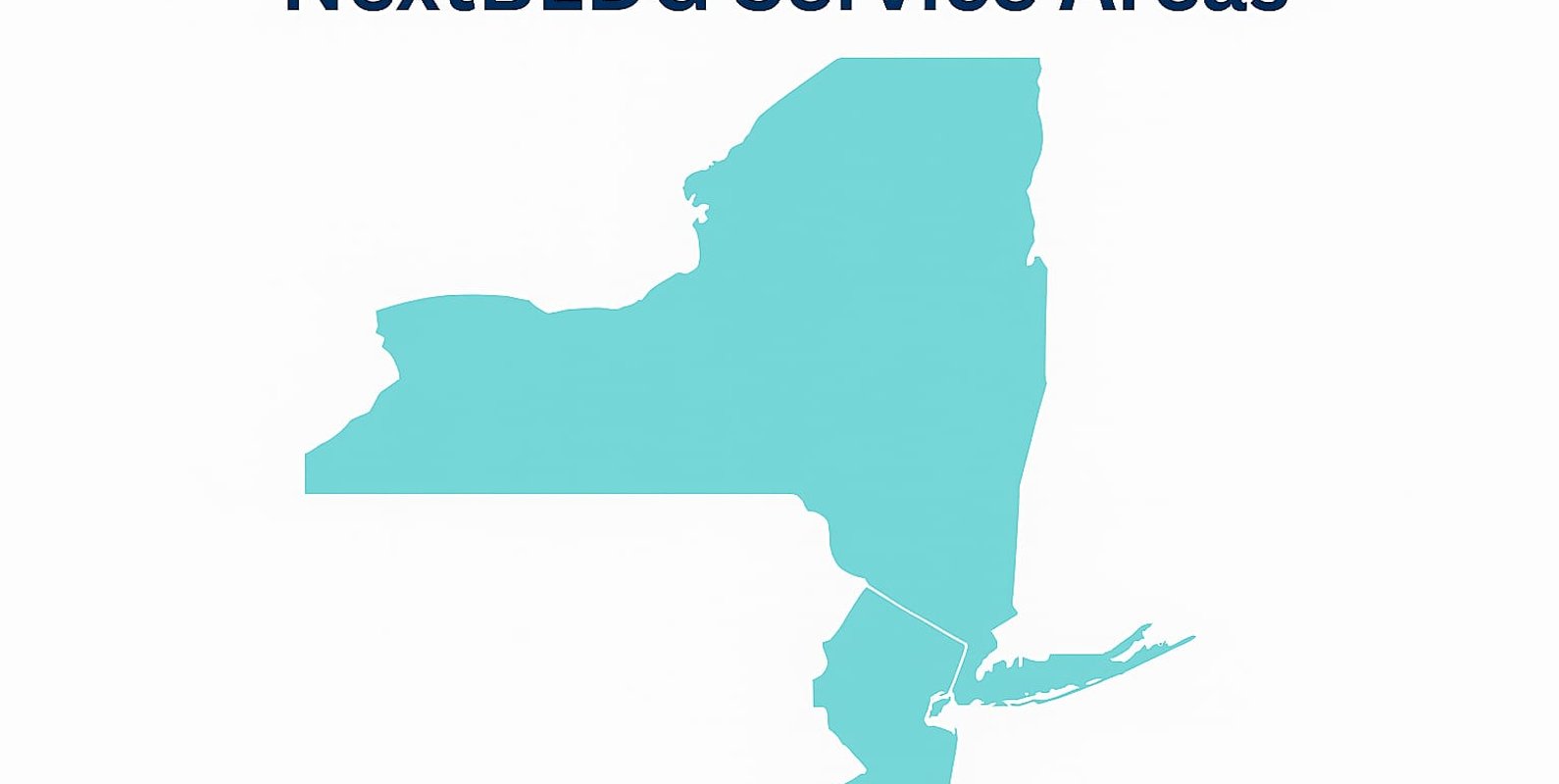
NextBLDG regularly provides inspections across the state, including #, where historic homes and mixed construction types are common. The firm also supports clients in #, where stricter permitting and lender requirements frequently necessitate PE‑sealed documentation.
(Note: These links are placeholders and should be updated when the corresponding pages are published.)
How NextBLDG Supports Engineering Inspections
NextBLDG provides professional engineering inspection services designed to support homeowners, buyers, lenders, and investors with clarity and efficiency. Each inspection begins by understanding the purpose of the evaluation—whether it is for a purchase, insurance claim, compliance issue, or structural concern—and tailoring the scope accordingly.
The process includes an on‑site inspection by a licensed engineer, evaluation of observable conditions, and delivery of a clear written report that explains findings in practical terms. When needed, NextBLDG also coordinates with attorneys, lenders, insurance professionals, and municipal officials to help clients move forward without unnecessary delays.
To learn more about available services, visit the #.
Engineering Inspections for Out‑of‑State Clients
Many NextBLDG clients are located outside New York or New Jersey but own or are purchasing property within the region. Engineering inspections can typically be completed without the client being present, with access coordinated through agents, tenants, or property managers. Detailed photo documentation and clear reporting allow remote clients to make informed decisions with confidence.
This approach is especially valuable for investors, relocation buyers, and professionals managing properties in multiple states.
When to Contact a Professional Engineer
If you notice cracks forming, floors becoming uneven, doors no longer closing properly, or if a lender, insurer, or municipality requests additional documentation, it is time to contact a licensed engineer. An engineering inspection provides not just observations, but professional conclusions you can rely on.
Summary
Engineering inspections play a critical role in protecting property value, supporting transactions, and ensuring safety across New York and New Jersey. By working with a licensed engineering firm that understands local conditions and regulatory expectations, property owners and buyers gain clarity and confidence.
NextBLDG provides engineering inspections throughout New York State and New Jersey, with a focus on clear communication, professional documentation, and practical guidance. Whether you are navigating a purchase, addressing a concern, or responding to a formal request, an engineering inspection is often the smartest next step.