 Click To Email
 Call us +1 315 530-1099


Commercial Building Inspection Checklist for Buyer

Purchasing a commercial building is a significant investment. Whether the property will be used for retail, office space, manufacturing, warehousing, or rental purposes, understanding its physical condition before closing is an important part of the buying process.
A building may look well-maintained during a walkthrough while hiding problems that are more difficult to identify without a closer evaluation. Roof deterioration, foundation movement, aging electrical systems, water intrusion, and structural deficiencies can all create unexpected expenses after a purchase.
For buyers, these issues are not simply maintenance concerns. They can affect the property's value, future operating expenses, renovation plans, insurance considerations, and ability to support its intended use.
A commercial building inspection helps buyers understand what they are purchasing and identify conditions that may require further investigation. It also provides an opportunity to evaluate potential repair costs before making a final financial commitment.
However, not every inspection covers the same areas. A general property inspection may identify visible deficiencies, while a more detailed structural engineering evaluation may be necessary when there are concerns involving foundations, load-bearing components, framing, or building stability.
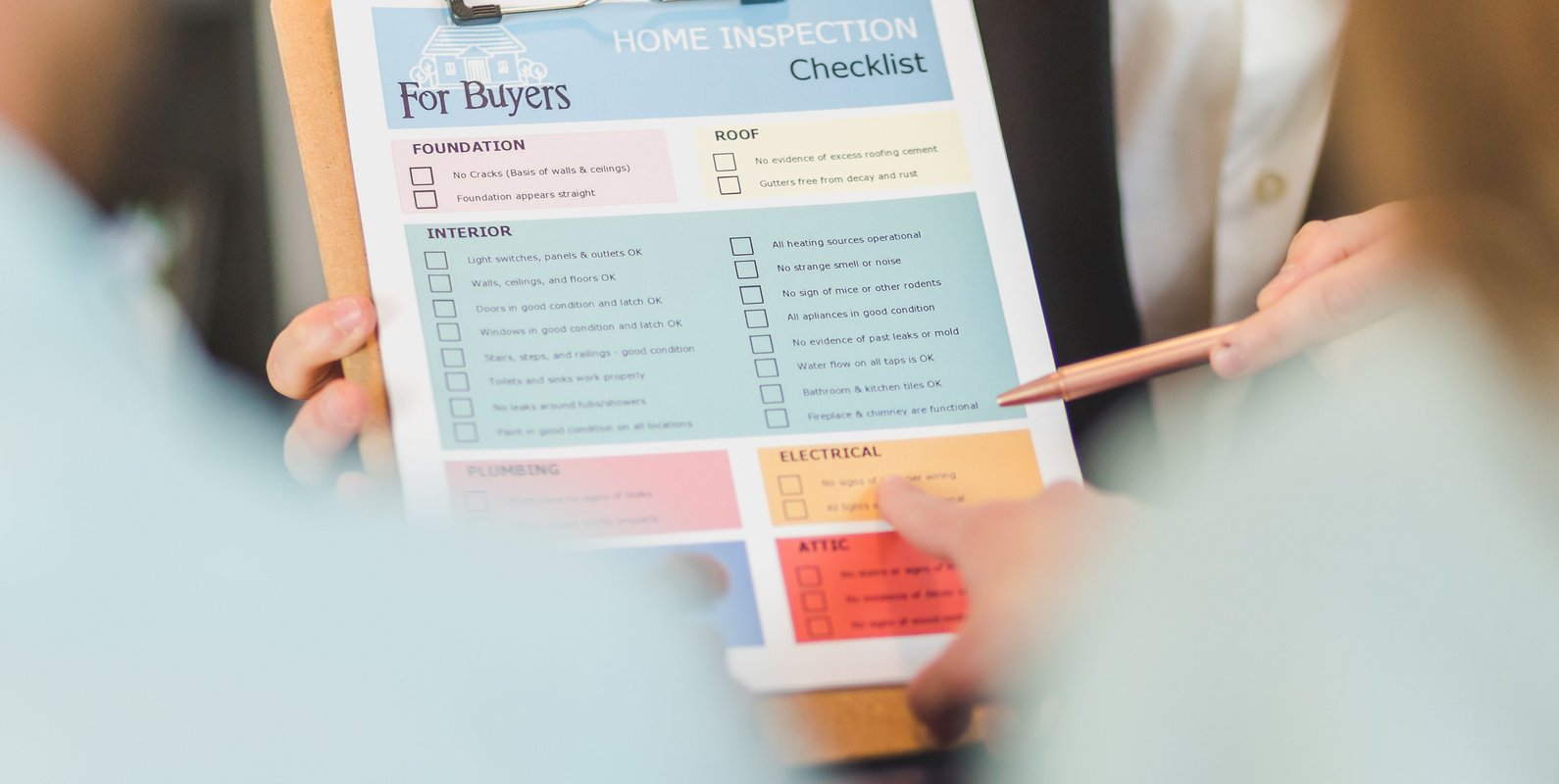
The following commercial building inspection checklist outlines the major areas buyers should consider before purchasing a commercial property.
Commercial Building Inspection Checklist: 10 Important Areas to Evaluate
1. Foundation and Structural Integrity
The foundation is one of the most important components of any commercial building. It transfers the building's weight into the supporting soil and helps maintain the stability of the entire structure.
During an inspection, buyers should pay attention to visible signs of structural movement or deterioration.
What to check:
- Cracks in foundation walls and concrete slabs
- Uneven or sloping floors
- Signs of settlement or differential movement
- Water intrusion around foundation walls
- Deterioration of concrete or masonry
- Visible damage to structural columns and support systems
- Separation between walls, floors, and other building components
For example, a warehouse may have a concrete floor with noticeable cracking or uneven areas. While some concrete cracking can be related to normal shrinkage, other patterns may indicate settlement, loading issues, or underlying foundation concerns.
The important distinction is determining whether the condition is cosmetic, related to normal building behavior, or indicative of a more significant structural problem.
When structural movement or deterioration is suspected, a qualified structural engineer can evaluate the condition and determine whether additional investigation or repairs are necessary.
2. Roof Condition and Drainage
Roof repairs and replacement can represent a substantial expense for commercial property owners. A roof that appears functional from the ground may have deterioration that is not immediately visible.
Buyers should review the roof's general condition, maintenance history, drainage system, and any documented repair work.
What to check:
- Missing, damaged, or deteriorated roofing materials
- Signs of ponding water on flat roofs
- Damaged flashing and roof penetrations
- Deteriorated roof edges and seams
- Blocked or damaged gutters and downspouts
- Evidence of previous roof leaks
- Interior ceiling stains or moisture damage
- Condition of roof framing where accessible
For example, a retail building may have recurring ceiling stains near its HVAC equipment. The issue could be related to roof membrane deterioration, damaged flashing, or poorly sealed equipment penetrations.
If the underlying source is not identified, temporary repairs may only address the visible symptoms.
Roof conditions should also be considered alongside the building's drainage system because improper water management can contribute to moisture intrusion and deterioration over time.
3. Exterior Walls, Windows, and Building Envelope
The building envelope protects the interior from weather, moisture, and outside environmental conditions.
Problems involving exterior walls, windows, doors, and sealants can lead to water intrusion, material deterioration, and increased maintenance requirements.
What to check:
- Cracks in exterior masonry or concrete walls
- Deteriorated mortar joints
- Damaged siding or exterior finishes
- Gaps around windows and doors
- Failed sealants and weatherproofing
- Corrosion of exposed metal components
- Signs of water penetration
- Deterioration around wall-to-roof connections
For instance, a commercial office building may have recurring water stains near exterior windows. This could indicate deteriorated seals or deficiencies in the surrounding wall assembly.
The inspection should determine whether the problem is isolated or part of a larger building envelope issue.
4. Electrical Systems
Electrical deficiencies can create operational disruptions, safety concerns, and additional expenses for buyers.
The condition of the electrical system should be reviewed based on the building's current use and the requirements of its intended occupancy.
What to check:
- Main electrical service and distribution panels
- Visible wiring deterioration
- Damaged or exposed electrical components
- Signs of overheating or burning
- Improperly installed electrical equipment
- Available electrical capacity
- Condition of lighting systems
- Documentation of previous electrical upgrades
Consider a buyer purchasing a manufacturing facility that plans to install additional machinery. The existing electrical service may not have sufficient capacity to support the proposed equipment.
This is an important issue to identify before closing because electrical upgrades can affect the project budget, construction schedule, and overall feasibility of the intended operation.
A qualified electrical professional should evaluate systems that require specialized testing or technical review.
5. Plumbing and Water Systems
Plumbing problems can affect both building operations and long-term maintenance costs.
Leaks, deteriorated piping, inadequate drainage, and aging water systems may create problems that are not immediately apparent during a standard walkthrough.
What to check:
- Visible plumbing leaks
- Corrosion on exposed pipes
- Water pressure and supply concerns
- Condition of restrooms and plumbing fixtures
- Drainage performance
- Evidence of previous water damage
- Water heater condition
- Signs of recurring backups or plumbing repairs
For example, an older office building may have recurring plumbing issues in several restrooms. Although individual repairs may appear minor, repeated failures could indicate that portions of the plumbing system are approaching the end of their useful service life.
Buyers should review available maintenance records and determine whether repairs are isolated or part of a larger system replacement.
6. Heating, Ventilation, and Air Conditioning (HVAC)
HVAC systems play an important role in maintaining indoor comfort and supporting the intended use of a commercial property.
A system that works during a brief walkthrough may still have underlying maintenance or capacity problems.
What to check:
- Age and general condition of HVAC equipment
- Heating and cooling performance
- Visible refrigerant or condensate leaks
- Condition of air filters and ductwork
- Ventilation and air distribution
- Thermostat and control operation
- Maintenance and service records
- Equipment capacity relative to building occupancy
For example, a buyer purchasing a retail space may discover that the existing HVAC system cannot adequately cool the building during peak summer conditions.
The problem may involve equipment sizing, distribution, controls, or the condition of the existing system.
Understanding the HVAC requirements early can help buyers estimate potential replacement or upgrade costs.
7. Fire Protection and Life Safety Systems
Fire protection and life safety systems are essential components of commercial building operations.
Depending on the building's size, occupancy, age, and intended use, these systems may include fire alarms, sprinkler systems, emergency lighting, exit signs, and designated means of egress.
What to check:
- Visible condition of fire sprinkler systems
- Fire alarm equipment and documentation
- Emergency lighting
- Exit signs and accessible exits
- Fire doors and related hardware
- Clearly identified evacuation routes
- Visible obstructions in exit pathways
- Available inspection and maintenance records
A commercial building may have an existing sprinkler system, but that does not automatically establish that it meets the requirements of a proposed new occupancy.
For example, converting a warehouse into a retail or office space may introduce different occupancy, life safety, and code considerations.
Buyers should have applicable fire protection and life safety requirements reviewed by qualified professionals before committing to major changes in building use.
8. Interior Conditions and Water Intrusion
Interior finishes can provide useful clues about the building's condition.
Discoloration, damaged ceilings, peeling paint, and deteriorated flooring may indicate water intrusion or other underlying problems.
What to check:
- Water stains on ceilings and walls
- Cracked or deteriorated interior finishes
- Damaged flooring
- Musty odors or visible mold-like growth
- Signs of previous flooding
- Deterioration around bathrooms and mechanical rooms
- Ceiling damage near roof penetrations
- Evidence of previous repairs
For example, a buyer may notice freshly painted walls in a basement or storage area. While this does not necessarily indicate a problem, it may be worth asking whether previous water damage or repairs occurred.
A thorough review should consider both visible conditions and available maintenance records.
If moisture intrusion is suspected, the source should be identified before cosmetic repairs are considered complete.
9. Parking Areas, Site Drainage, and Exterior Improvements
The inspection should not be limited to the building itself. Exterior site conditions can affect accessibility, drainage, maintenance expenses, and the property's overall functionality.
What to check:
- Cracked or deteriorated parking surfaces
- Uneven sidewalks and pedestrian pathways
- Drainage problems and standing water
- Damaged curbs and retaining walls
- Condition of loading areas
- Exterior lighting
- Accessibility features
- Signs of erosion or soil movement
- Condition of site drainage components
For example, a commercial property may have recurring standing water near its loading dock after heavy rainfall. This could indicate inadequate grading, drainage problems, or issues with the existing stormwater system.
If left unaddressed, these conditions may contribute to pavement deterioration, water intrusion, and operational difficulties.
Buyers should also determine whether the property's existing parking and access arrangements are suitable for the intended business operations.
10. Building Code, Accessibility, and Intended Use
One of the most important considerations when purchasing commercial real estate is whether the property can legally and practically accommodate the buyer's intended use.
A building that currently operates as an office may require modifications before it can be used as a restaurant, medical facility, retail store, or manufacturing space.
What to check:
- Current occupancy classification
- Applicable building and fire code requirements
- Accessible entrances and pathways
- Restroom accessibility
- Exit requirements
- Available permits and certificates of occupancy
- Previous renovations and approvals
- Restrictions affecting future building modifications
For example, a buyer may purchase an older commercial property intending to convert it into a medical office. The existing layout may require modifications involving accessibility, restrooms, fire protection, and building systems.
These requirements can significantly affect renovation costs and the time needed to prepare the property for occupancy.
Buyers should verify applicable requirements with the local building department and qualified design professionals before assuming that an existing building can accommodate a proposed use without modifications.
Additional Due Diligence Before Purchasing a Commercial Building
A physical inspection is only one part of commercial real estate due diligence. Buyers should also review available documentation and investigate issues that may not be apparent during a property walkthrough.
Consider the following additional items:
1. Previous Inspection Reports
Request copies of previous building inspections, structural evaluations, roof assessments, and other relevant technical reports.
These documents may reveal recurring problems or previously identified deficiencies.
2. Maintenance and Repair Records
Review available records for roof replacements, HVAC repairs, plumbing upgrades, electrical work, foundation repairs, and other major maintenance activities.
3. Permits and Renovation History
Determine whether previous improvements were properly documented and approved where required.
Unpermitted or undocumented modifications may create additional questions during future renovations or property transactions.
4. Environmental Considerations
Depending on the property's age, history, and intended use, additional environmental due diligence may be appropriate.
Potential concerns can include asbestos-containing materials, lead-based paint, underground storage tanks, and historical contamination.
A Phase I Environmental Site Assessment is a separate form of due diligence that may be appropriate for certain commercial property transactions. Buyers can learn more about environmental assessment standards through the U.S. Environmental Protection Agency's All Appropriate Inquiries guidance.
5. Future Renovation Requirements
If the property will be renovated, expanded, or converted to another use, buyers should consider the additional architectural, structural, and building system requirements before finalizing their purchase decision.
A building that appears suitable today may require significant modifications to support future operations.
Why a Structural Engineering Evaluation Matters for Commercial Property Buyers
A general commercial building inspection can identify visible deficiencies and maintenance concerns. However, some conditions require a more detailed technical evaluation.
A structural engineer can assess the building's load-bearing systems and investigate concerns involving foundations, beams, columns, roof framing, floor systems, and structural connections.
This becomes particularly important when:
- Visible cracks or settlement raise questions about structural stability.
- Floors appear uneven or show excessive deflection.
- Roof framing shows signs of deterioration or movement.
- Previous renovations may have altered load-bearing walls or supports.
- The buyer plans to install heavy machinery or equipment.
- The building will be expanded or converted to a different use.
- A property inspection identifies structural concerns that require further investigation.
Consider a buyer interested in purchasing a warehouse for manufacturing operations. The building may appear suitable based on its size and location, but the existing floor system may not have been designed for the weight of the proposed machinery.
A structural engineering evaluation can help determine whether the existing structure can accommodate the anticipated loads or whether reinforcement may be necessary.
This information is valuable because structural modifications can affect both the acquisition budget and the feasibility of the intended business operation.
Recommendations: How Buyers Can Use an Inspection to Make Better Decisions
A commercial building inspection should do more than produce a list of defects. It should help buyers understand the property's condition and make informed decisions about the investment.
The following recommendations can help make the inspection process more effective.
1. Schedule the Inspection Before Closing
Whenever possible, arrange the inspection during the due diligence period.
This gives buyers an opportunity to identify significant deficiencies, request additional evaluations, and consider repair expenses before completing the transaction.
2. Prioritize Major Structural and Safety Concerns
Not all deficiencies carry the same level of importance.
A damaged paint finish is different from a deteriorated structural beam or significant foundation movement.
Focus first on conditions that may affect building stability, occupant safety, water protection, and essential building operations.
3. Request Additional Engineering Review When Necessary
If an inspection identifies cracks, settlement, structural deterioration, or questionable modifications, consider obtaining an evaluation from a licensed Professional Engineer with relevant experience.
A more detailed evaluation may help clarify the extent of the problem and identify appropriate next steps.
4. Estimate Repair and Replacement Costs
Use inspection findings to develop a realistic understanding of potential expenses.
This may include immediate repairs, major system replacements, structural improvements, and deferred maintenance.
Having a clearer picture of these costs can help buyers assess the overall investment rather than focusing only on the purchase price.
5. Evaluate the Property Based on Its Intended Use
A building should be evaluated according to what the buyer plans to do with it.
A property suitable for general storage may not be suitable for manufacturing, medical services, food preparation, or another specialized use without modifications.
Consider building capacity, occupancy requirements, accessibility, equipment loads, and renovation feasibility before proceeding.
6. Document All Findings and Follow-Up Items
Maintain copies of inspection reports, photographs, repair estimates, engineering recommendations, and relevant property records.
A clear record of the building's condition can support negotiations, renovation planning, budgeting, and future maintenance decisions.
Frequently Asked Questions About Commercial Building Inspections
1. What does a commercial building inspection include?
A commercial building inspection generally reviews the visible condition of major building components and systems. These may include the foundation, structural framing, roof, exterior walls, electrical systems, plumbing, HVAC, interior finishes, fire protection, and site improvements.
The exact scope depends on the inspection agreement, property type, accessibility, and qualifications of the inspector.
2. Should I hire a structural engineer before buying a commercial property?
A structural engineer may be appropriate when there are visible signs of structural damage, foundation movement, deteriorated framing, or concerns about the building's ability to support additional loads.
An engineering evaluation is also worth considering when the buyer plans major renovations, equipment installations, expansions, or changes in building use.
3. How long does a commercial building inspection take?
The inspection duration depends on the building's size, age, complexity, accessibility, and scope of work.
A small commercial property may require considerably less time than a large warehouse, manufacturing facility, or multi-story commercial building.
Additional testing or engineering evaluations may require separate visits and documentation.
4. What are the most expensive problems found during a commercial building inspection?
Potentially expensive issues include foundation problems, significant structural deterioration, roof replacement, major electrical upgrades, HVAC replacement, plumbing system failures, and extensive water damage.
The actual cost depends on the severity of the condition, building size, materials, accessibility, and required repairs.
5. Is a general building inspection enough when buying commercial real estate?
Not always.
A general inspection can provide useful information about visible building conditions, but it may not include specialized structural analysis, environmental testing, detailed code reviews, or evaluations of complex building systems.
Additional professional assessments may be necessary depending on the property's condition and intended use.
6. Can a commercial building inspection help with purchase negotiations?
Yes. Inspection findings can help buyers understand repair requirements and potential future expenses.
Depending on the purchase agreement and applicable due diligence terms, documented deficiencies may support discussions about repairs, purchase price adjustments, credits, or other negotiated arrangements.
7. Should I inspect a commercial building even if it looks recently renovated?
Yes. Recent renovations do not automatically establish that every building component is in good condition or that all work was properly documented.
Buyers should review available permits, contractor records, warranties, and inspection documentation, while considering whether additional evaluation is necessary.
Conclusion
Purchasing a commercial building requires more than evaluating its location, asking price, and potential rental income. Buyers also need to understand the physical condition of the property and determine whether it can support their intended use.
A thorough commercial building inspection can help identify structural concerns, roofing problems, aging building systems, water intrusion, safety deficiencies, and potential renovation requirements before closing.
More importantly, inspection findings provide a foundation for making informed financial and operational decisions.
For properties with visible structural concerns or planned modifications, a professional engineering evaluation can provide additional insight into the building's condition, load-bearing capacity, and potential repair requirements.
Taking the time to investigate these issues before purchasing can help reduce unexpected expenses and make commercial property ownership more predictable.
Planning to purchase a commercial building or evaluating a property before a major renovation? Understanding its structural condition and identifying potential engineering concerns early can help you make a more informed decision. Learn more about professional structural inspection and engineering evaluation services.
Visit: Nextbldg.com